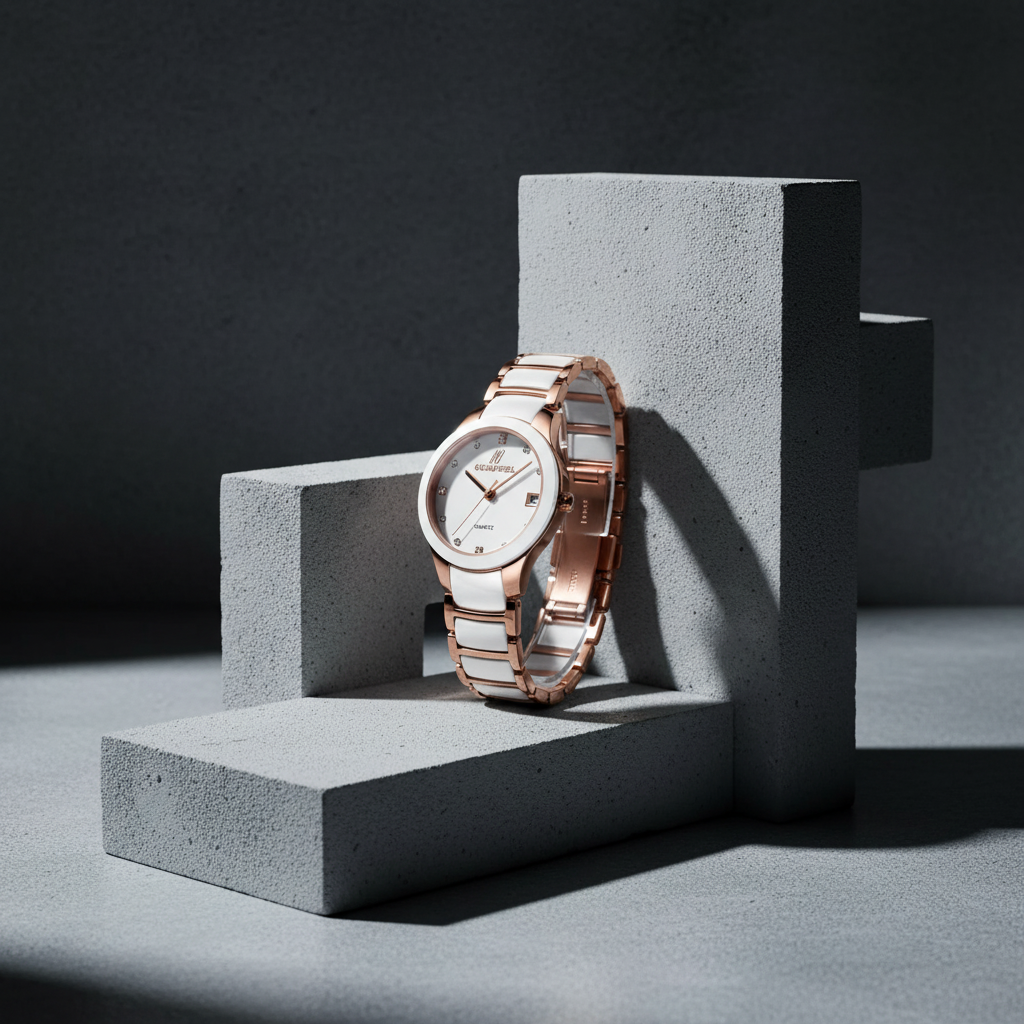
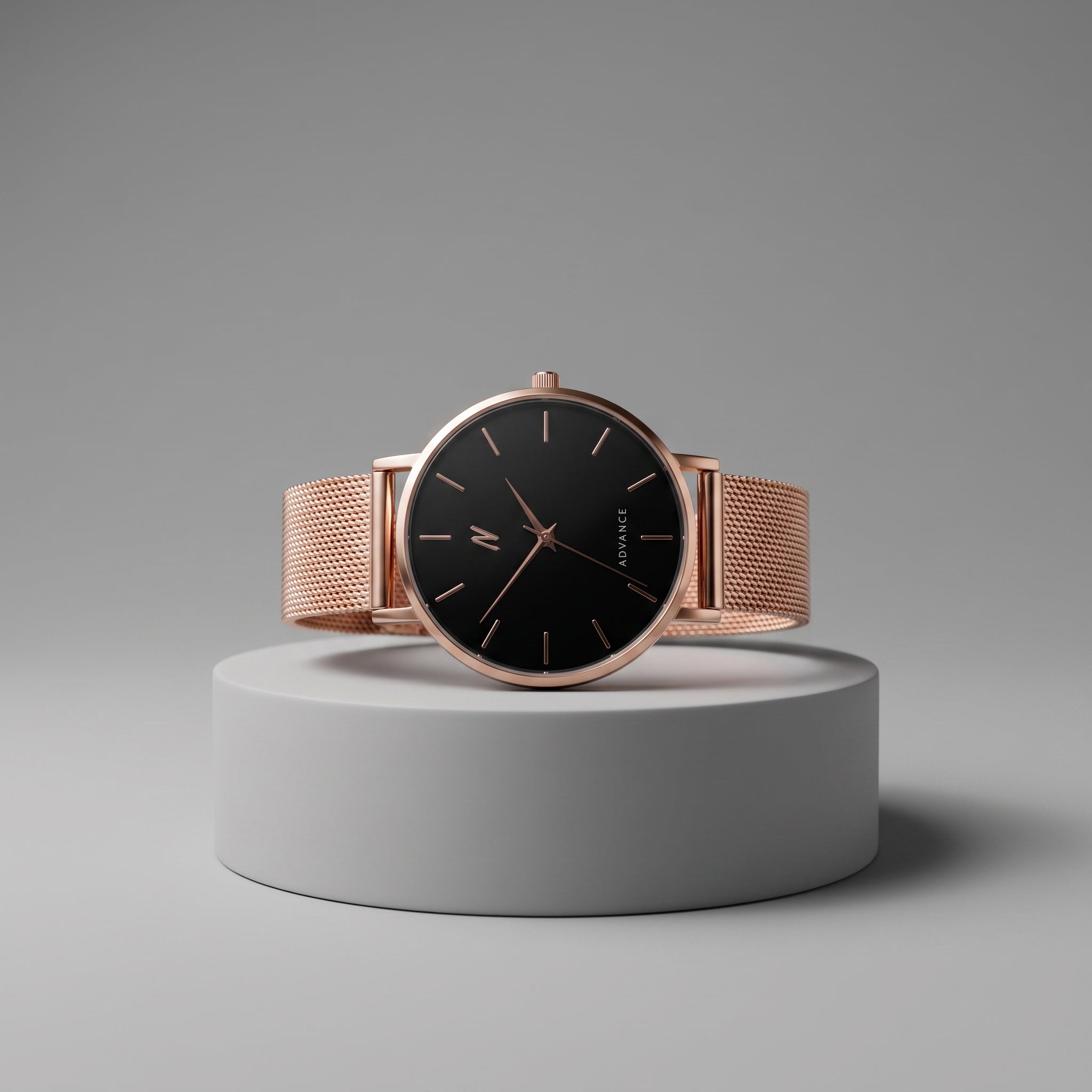






Eco Friendly Luxury Watches Built to Last
A watch can be technically precise, visually refined, and still ask too much of the world around it. The most considered eco friendly luxury watches begin with a different premise: make fewer objects, make them properly, and give each one a life long enough to matter. That calls for more than a recycled-content claim or a green-colored strap. It calls for material intelligence, repairability, and a design that remains convincing long after its release.
For the modern collector, sustainability is not a separate aesthetic. It is part of discernment. A timepiece chosen for its proportion, movement, and tactile quality is less likely to become a short-lived purchase. It earns its place in the daily rotation, then in the collection, and eventually in the story a family keeps.
What Makes a Luxury Watch Eco Friendly?
The answer is not found in a single component. A responsible watch is the result of choices made across its life: how its materials are sourced, how long its mechanism can be maintained, whether its design will remain wearable, and whether its construction permits restoration rather than replacement.
This is why durability is the foundation. A well-made case, a dependable crystal, and a thoughtfully engineered bracelet or strap reduce the need to replace a watch prematurely. Stainless steel has a long record in watchmaking because it withstands daily wear, resists corrosion, and can be refinished. Titanium adds another useful quality: exceptional strength at a lower weight. Japanese titanium, in particular, is prized for its precise finishing and comfortable presence on the wrist. Its material value is not novelty. It is longevity.
The same principle applies to a watch's finish. Highly complex coatings and aggressively trend-led color treatments can be compelling in the moment, but the most enduring palettes tend to be restrained: brushed steel, warm gold tones, black, deep navy, silver, and considered earth colors. Quiet luxury is often practical in this way. It asks a watch to remain relevant across changing wardrobes, workspaces, and occasions.
The movement is central
An automatic movement is not inherently sustainable simply because it is mechanical. It still requires components, energy, skilled labor, and periodic service. Its advantage lies in its potential lifespan. Unlike a sealed, disposable mechanism, a quality automatic movement is designed to be disassembled, cleaned, lubricated, regulated, and returned to use by a qualified watchmaker.
That serviceable architecture changes the relationship between owner and object. A mechanical watch marks time through a small system of springs, gears, and oscillation, not through a device intended to be replaced at the end of a brief technology cycle. With proper care, it can remain accurate and wearable for decades. The case may collect the subtle evidence of use, but the movement can continue its work.
NCMPRBL's intentional timepieces, including the Ascend Automatic collection, reflect the appeal of this approach: mechanical character paired with a composed, contemporary silhouette. The value is not in chasing complication for its own sake. It is in choosing an object with enough integrity to accompany a life in motion.
Materials With a Longer View
The sustainability conversation often narrows to recycled metals. Recycled content is meaningful, but it is only one part of a broader material question. The better question is whether a material performs beautifully over time, can be repaired or refinished, and has been selected without unnecessary excess.
Metal cases answer that question well when they are built for repeated wear. Steel can be polished or brushed again by a practiced hand. Titanium offers resilience with less weight, which matters for a watch worn from an early meeting through a late dinner. Sapphire crystal, while energy-intensive to produce, is exceptionally scratch-resistant. Its long service life can justify its place in a watch intended to stay in use rather than be discarded after a season.
Straps require more nuance. Vegetable-tanned leather carries a distinctive patina and avoids some of the harsher processes associated with heavily treated leather. It is also a natural material with a finite working life. That is not necessarily a flaw. A strap is a replaceable component, and a thoughtfully made one can be maintained with basic care, then replaced without retiring the watch itself.
The trade-off is clear: leather can be a strong choice for heritage, repairability, and visual warmth, but it needs protection from water, prolonged heat, and heavy perspiration. A metal bracelet may be the more durable daily option for someone who travels often or spends considerable time outdoors. Neither choice is universally superior. The responsible choice is the one that suits the owner's actual habits and encourages long-term wear.
Design That Outlasts the Release Calendar
A watch does not become a modern heirloom because it is called one. It becomes one through proportion and restraint. An overly large case, a crowded dial, or conspicuous branding can tie a design too closely to a particular moment. A balanced case profile, legible markers, and a measured use of contrast leave more room for the wearer.
This is where limited releases can have genuine purpose. A limited run should not manufacture urgency. At its best, it gives a design a clear point of view and allows production to remain deliberate. The object feels specific, but not temporary. It belongs to a collection without being dependent on a trend cycle.
For professionals and creatives who move between tailored clothing, relaxed tailoring, and off-duty essentials, a restrained watch has unusual range. It does not need to announce itself across the room. Its details register closer in: the quality of the brushing, the dial's depth, the clean transition from case to strap, the calm confidence of a mechanical seconds hand.
That quiet presence also supports longevity. A watch that works with the clothes already in your wardrobe is a watch you will continue reaching for. Repetition, in this context, is a virtue.
How to Choose an Eco Friendly Luxury Watch
Begin with the question of use. A watch intended for daily wear should be comfortable enough to become instinctive, resilient enough for regular travel, and versatile enough to avoid sitting untouched in a case. If it will be worn primarily with tailoring, a slimmer profile and leather strap may be right. If it will accompany a more active schedule, titanium or steel with a bracelet may offer greater ease.
Then consider service. Ask whether the movement can be maintained by a competent watchmaker and whether replacement straps, crystals, and other wearable parts can be sourced over time. A watch does not need to be indestructible to be responsible. It needs to be designed with the expectation that it will be cared for.
Finally, assess the design without the context of a campaign image. Would you wear it five years from now? Does it suit the scale of your wrist? Can it move from weekday to weekend without feeling costume-like? These are personal questions, but they are also environmental ones. The watch that remains in use is the watch with the lightest burden of replacement.
Care Is Part of the Purchase
The most sustainable habit begins after the watch arrives. Keep automatic watches away from strong magnetic fields when possible, rinse a water-resistant metal bracelet after saltwater exposure, and store leather straps away from direct sunlight and moisture. A soft cloth used regularly can preserve the case and crystal better than occasional aggressive polishing.
Mechanical watches also benefit from professional servicing at intervals recommended for their movement and usage. Waiting until a movement has stopped or lost significant accuracy can allow worn lubricants to create avoidable friction. Timely maintenance preserves both performance and the original components that give a watch its character.
A watch case deserves consideration as well. Proper storage protects against dust, impact, and unnecessary handling, particularly for pieces worn in rotation. Collector-oriented storage is not merely a display choice. It is a practical way to preserve a timepiece's condition while keeping a collection organized and accessible.
The strongest eco-conscious decision is rarely the most conspicuous one. Choose a watch whose materials feel honest, whose movement can be maintained, and whose design still feels like your own when the noise has passed.