





Why Limited Edition Watches Hold Their Place
Why Limited Edition Watches Remain Relevant
At 8:17 on a Tuesday morning, your watch should not need to shout for attention. The best limited edition watches reveal themselves gradually—through the balanced proportions of a case, the disciplined design of a dial, the tactile feel of a winding crown, and the knowledge that a thoughtfully made object is not everywhere at once.
The appeal of limited edition watches goes beyond scarcity. It lies in the preservation of a specific design vision and the sense that certain choices were worth making—and keeping.
The Lasting Appeal of Limited Edition Watches
For collectors, a limited release can mark a personal milestone without feeling like a costume. These watches are made to be worn through daily routines—meetings, travel, dinners, and weekends—gathering their own unique history over time.
- Longevity: The best limited editions are designed for a long life, not just a fleeting trend.
- Personal Significance: They can celebrate moments without being showy.
What Makes a Limited Edition Watch Worth Owning?
A limited number on a caseback alone does not guarantee significance. A watch becomes truly collectible when its limitation is justified by:
- Unique production methods
- Distinctive movement configurations
- Special dial treatments that cannot be mass-produced
- Focused design studies produced in small, deliberate runs
The most convincing limited editions avoid excessive colors, oversized branding, or novelty. Instead, they rely on subtle details:
- Brushed and polished case surfaces
- Balanced handsets
- Dials with depth and restraint
Limited production also adds authorship. Collectors can understand why a piece was made, how it differs from the main collection, and its place in a broader design language. This context gives the watch cultural significance, turning ownership into a thoughtful choice rather than a reaction to the latest release.
However, scarcity alone should never be the reason to buy. If a watch does not suit your wrist, style, or daily rhythm, its edition size will not make it a better fit. The best limited edition is one you would choose to wear, even if no one else noticed.
How Limitation Should Serve Design
A meaningful limited release preserves a design at its purest. This could mean:
- Focusing on an automatic movement and the ritual of mechanical timekeeping
- Showcasing a case profile that fits comfortably on the wrist
- Highlighting a particular material or finishing technique
When evaluating a limited edition, ask yourself:
- Would the watch still feel well-designed without the edition number?
- Do its proportions hold up after a year of regular wear?
- Does it offer visual calm rather than competing details?
If the answer is yes, the limited run enhances its value—it does not replace good design.
Craftsmanship for Everyday Life
Fine watches are often admired under bright lights, but their true quality is revealed in daily use:
- A clasp that closes securely
- A crown that feels precise
- A case that remains comfortable all day
Durability is a core part of luxury. Automatic movements, in particular, connect directly to this idea. Their mechanics are powered by your movement, turning everyday wear into part of their function. A well-chosen automatic is not just an accessory—it is a machine designed to be maintained and understood over time.
Materials matter as well:
- Properly finished steel cases develop a personal patina
- Sapphire crystals resist scratches
- Vegetable-tanned leather straps soften and adapt with use
These marks of wear are not flaws—they are evidence that the watch is part of your life.
Material preferences often extend across personal style. For example, a preference for Japanese titanium in eyewear may lead to an appreciation for disciplined watch construction. Italian Mazzucchelli acetate and a well-made timepiece both reward attention to finish and long-term wear.
Investment Value of Limited Edition Watches
In 2026, the phrase "investment value" is often misunderstood. Limited edition watches should not be treated as guaranteed financial assets. Markets and tastes change, and condition is crucial. Buying only for potential resale often removes the joy of ownership.
A more lasting sense of value comes from:
- Timeless design
- Materials that age gracefully
- Serviceable movements
- Coherent collections rather than isolated releases
Provenance is also important:
- Keep original presentation materials and documentation
- Maintain the watch according to its needs
- Avoid unnecessary polishing that can soften case lines
Many of the strongest limited editions become modern heirlooms because they are worn with purpose. A watch tied to a promotion, new venture, marriage, or personal milestone carries a value that cannot be measured by the market. Its limited status makes it distinct; your experiences make it meaningful.
How to Choose a Limited Edition Watch Intentionally
Begin by considering the role the watch will play:
- A daily watch should work with tailoring, knitwear, and casual shirts, fit under a cuff, and be durable.
- A collector’s piece can have a stronger dial or unique configuration, but should remain compelling over time.
Case size should be judged by proportion, not just diameter. Consider:
- Lug-to-lug measurement
- Case thickness
- Dial opening
- Strap integration
Comfort should always guide your decision.
Think about your existing collection. A limited release is most useful when it adds variety:
- Introducing an automatic movement if you own only quartz
- Adding a leather strap to a bracelet-heavy collection
- Bringing a refined case profile for formal settings
Repetition can be satisfying, but thoughtful contrast creates a collection with range.
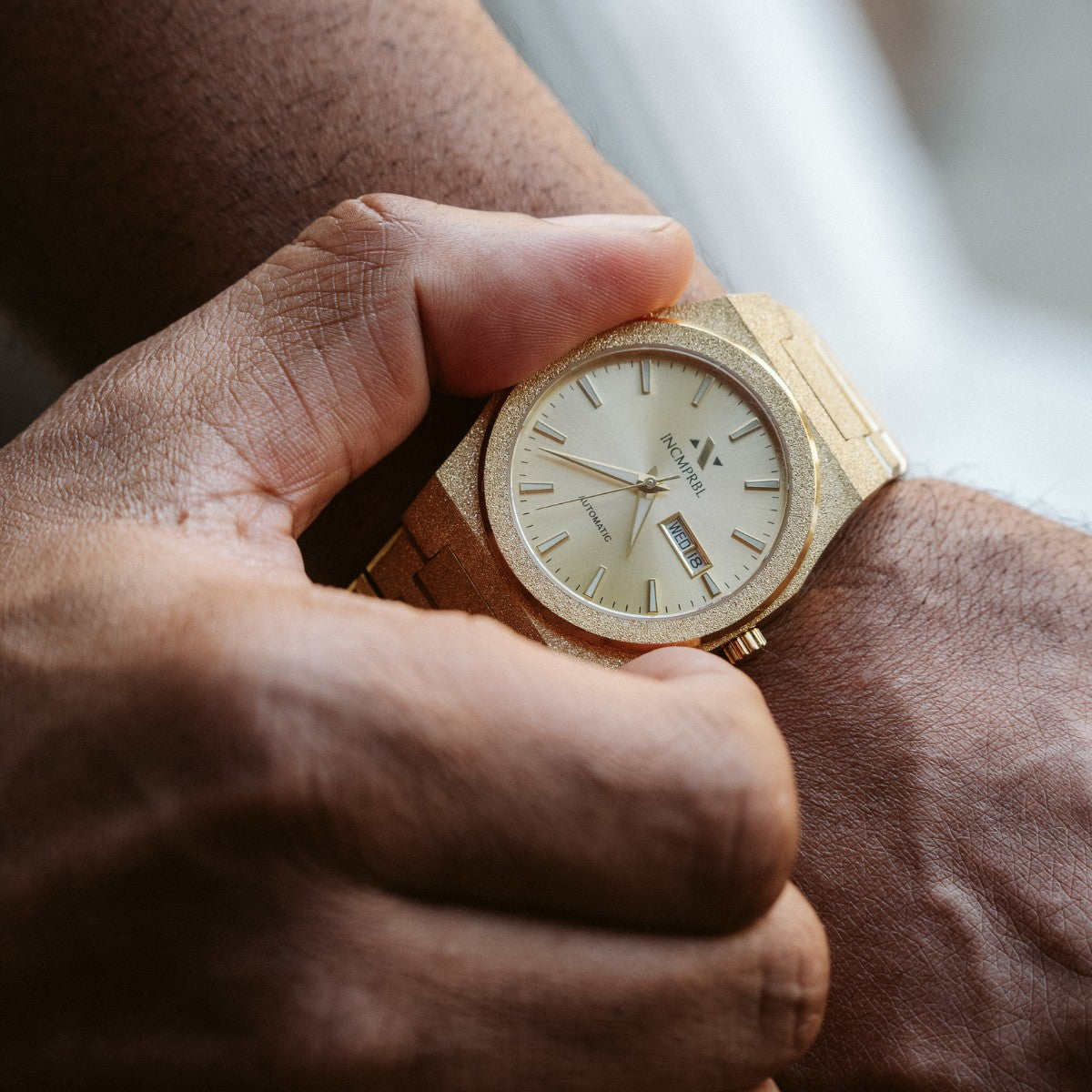
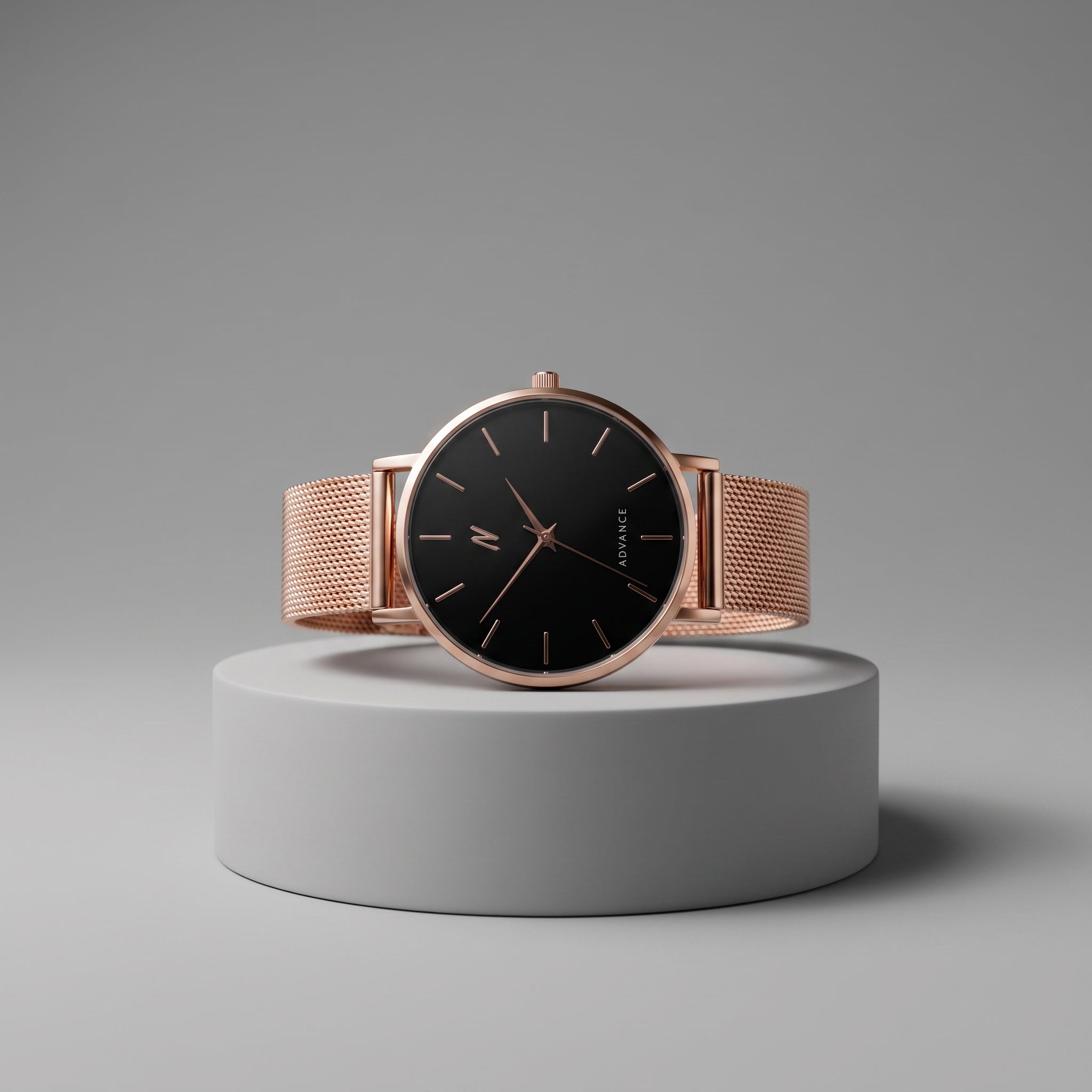
At NCMPRBL, this approach is reflected in timepieces designed as style staples, not passing trends. Collections like Ascend Automatic and Advance show that a watch can be technically engaging and visually restrained. The Elite Collectors Case recognizes that care and organization are essential parts of collecting.
Care and Maintenance for Limited Edition Watches
Limited edition watches require consistent, practical care:
- Keep them away from magnets, extreme temperatures, and moisture beyond their water-resistance rating.
- For automatic watches not worn regularly, wind them as instructed before use.
Leather straps need special attention:
- Let straps rest after heavy wear, especially in humidity.
- Avoid prolonged contact with water.
- Rotate straps to extend their lifespan and refresh the look of your watch.
Store watches to protect them from dust, knocks, and direct sunlight, while keeping them accessible for regular wear.
The right limited edition watch does not demand an audience. It earns its place through quality, proportion, and the memories you create with it. Choose the one that will still feel personal long after the edition number fades into the background.
Frequently Asked Questions
What defines a limited edition watch?
A limited edition watch is produced in a restricted quantity, often to highlight a special design, movement, or material. The limitation should serve a purpose beyond scarcity, such as showcasing unique craftsmanship or marking a specific occasion.
Are limited edition watches a good investment in 2026?
While some limited editions may appreciate in value, there are no guarantees. The best approach is to choose a watch for its design, quality, and personal meaning, rather than relying on potential resale value.
How should I care for a limited edition watch?
Regular care includes keeping the watch away from magnets, moisture, and extreme temperatures. For automatic watches, wind them as needed. Leather straps should rest after heavy use and be kept dry. Store your watch in a safe, organized place.
What should I consider before buying a limited edition watch?
Consider how the watch fits your style, comfort, and daily needs. Evaluate its design, movement, materials, and how it complements your existing collection. Choose a watch you will enjoy wearing, not just one that is rare.
Does the edition number affect the quality of the watch?
The edition number alone does not determine quality. Focus on the design, craftsmanship, and materials. A well-made watch will remain valuable and enjoyable regardless of how many were produced.