




Choosing a Watch Collectors Case With Intent
Why a Watch Collectors Case Is Essential
A watch collectors case does much more than simply store your timepieces. It preserves their condition, organizes your collection, and transforms the daily act of choosing a watch into a thoughtful ritual. Especially for mechanical watches, proper storage is a key part of responsible ownership.
- Prevents scratches and protects each watch’s finish
- Supports straps and bracelets to avoid deformation
- Provides each watch with dedicated visual space
As your collection expands—whether you own a weekday automatic, a classic dress watch, or a special limited edition—intentional storage becomes increasingly important. Watches left on a dresser or in original boxes create clutter, but a dedicated case turns them into a curated archive.
What Should a Watch Collectors Case Protect Against?
- Dust: Dust can settle into bracelets, cases, crowns, and bezels, dulling polished surfaces and affecting straps. A closed case keeps your watches cleaner than an open shelf or drawer.
- Impact: Watches are designed for daily use, but not for bumping against each other. Individual compartments prevent scratches and dings, which is especially important for polished bezels, domed crystals, and bracelets.
- Disorganization: A well-designed case lets you easily see your collection, track what you wear, and notice neglected pieces. This clarity encourages intentional collecting.
Choosing the Best Materials for Your Watch Case
The materials used in your watch collectors case are just as important as those in your watches. Prioritize:
- Durable exteriors that can handle frequent use
- Soft, stable interiors that won’t scratch or damage your watches
Material selection impacts how your case ages and how confidently you’ll use it over time.
Vegetable-Tanned Leather: Timeless Character
Vegetable-tanned leather is an excellent choice for longevity. Unlike corrected leathers, it develops a unique patina as it ages. Its color deepens, texture becomes more personal, and minor marks add character instead of detracting from its look.
- Keep leather away from direct sunlight, heat, and moisture.
- Store your case in a dry, stable environment—never in a humid bathroom or on a sunny ledge.
- Allow the leather to age naturally while preserving its structure.
Interior Linings and Cushions
- Lining: Opt for soft microfiber, suede-like textiles, or smooth finished leather. Avoid linings that shed fibers or have rough stitching in contact with your watches.
- Cushions: Choose cushions that are firm enough to support straps or bracelets without stretching them. Overly large cushions strain leather straps, while cushions that are too soft allow watches to shift and risk damage.
How to Choose the Right Capacity
Select a case that matches your actual collection size. For example:
- 3-watch case: Perfect for daily rotation—an automatic, a dress watch, and a weekend or travel piece.
- 6- or 8-watch case: Ideal for more varied collections with different complications, straps, or occasions.
Leave some space for future additions or to maintain a calm, organized look. Overcrowding can make even a curated collection appear cluttered. Also, consider the size and style of each watch—a slim leather dress watch takes up less space than a robust steel sports watch.
For many collectors, a smaller case encourages discipline: does each watch deserve a spot? This approach isn’t about limiting enjoyment, but about ensuring every piece gets the attention it deserves.
Proper Storage for Automatic Watches
- Automatic watches wind themselves when worn. When stored, they will eventually stop running—this is normal and does not harm the movement.
- Restarting: When you want to wear an automatic watch, gently wind it (if the model allows), set the time and date, and wear as usual.
- Watch winders are only necessary for watches with complex calendars that are difficult to reset. For most automatics, a secure case is sufficient.
- Before long-term storage: Clean and dry your watch. Remove sweat, fingerprints, and moisture from the bracelet or case. Let leather straps air out before closing the case.
Making Your Watch Case Part of Your Daily Routine
The best collector cases elevate your daily experience. Opening the lid and choosing a watch for the day becomes a mindful ritual, adding intention to your routine.
This habit sharpens your personal style. Watches can be selected to complement the textures of your clothing, the warmth of leather shoes, or the sleek lines of Japanese titanium eyewear. The effect is subtle yet powerful—rooted in proportion, material, and consistency.
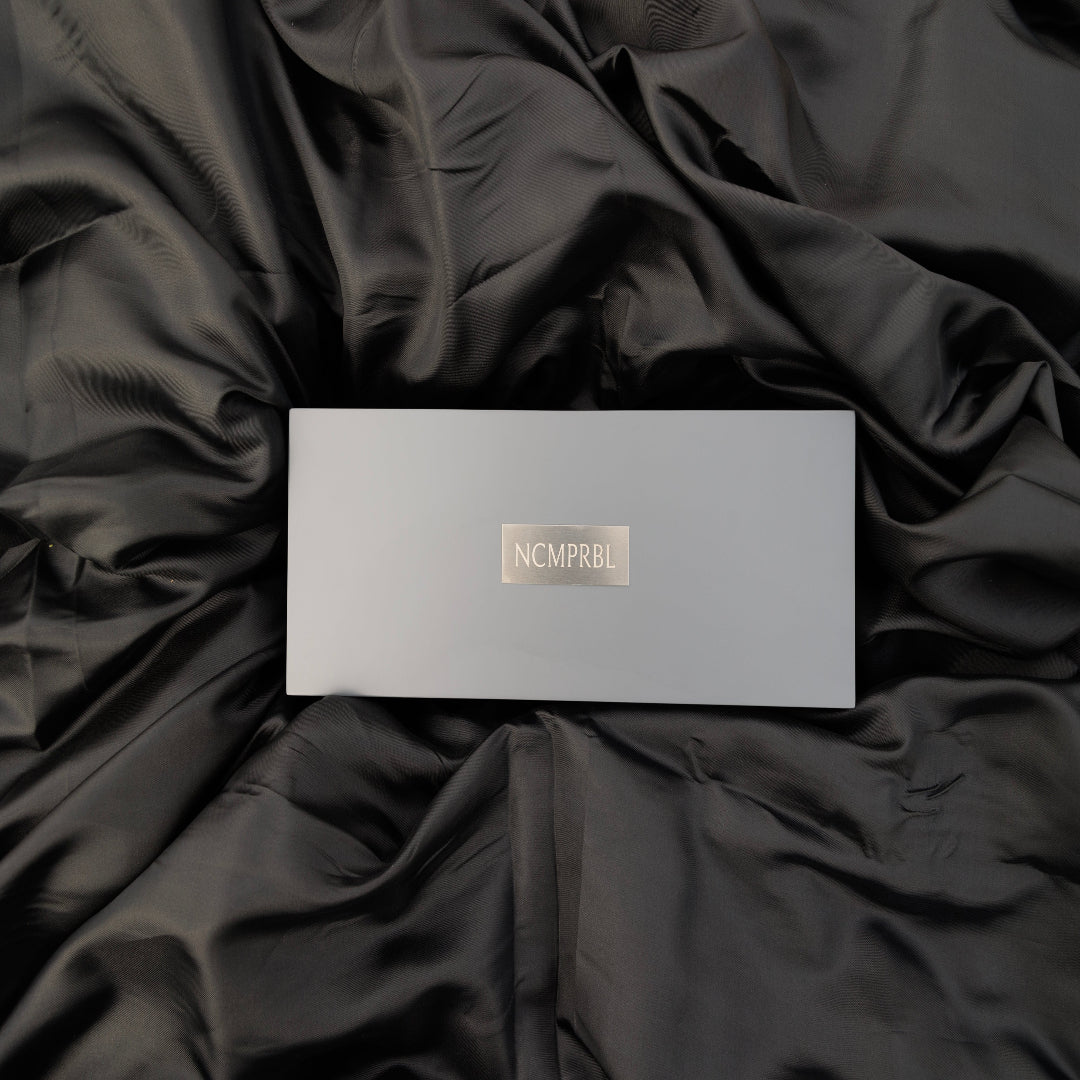
NCMPRBL’s Elite Collectors Case is designed to support this tradition, offering a composed, protective home for your carefully chosen watches.
Long-Term Value and Watch Collecting
A quality watch case does more than shield your watches from damage. It supports the long-term value of your collection by encouraging good habits:
- Keeping watches clean and dust-free
- Storing them safely and securely
- Making each piece easy to inspect and enjoy
While financial returns in watch collecting are never guaranteed, condition, completeness, and thoughtful ownership always matter—whether you plan to keep your watches for years or pass them on.
Choose your case with as much care as your watches. Look for durable materials, balanced proportions, a protective interior, and timeless design. The right case will bring order, protection, and a sense of purpose to your collection in 2026 and beyond.
Frequently Asked Questions
What features are important in a watch collectors case?
Key features include a durable exterior, soft and stable interior lining, individual compartments, and secure cushions. The case should protect against dust, impact, and disorganization, while aging gracefully alongside your collection.
Do I need a watch winder for my automatic watches?
Most automatic watches do not require a watch winder. Unless your watch has a complex calendar that is difficult to reset, a secure collector case is usually all you need for storage and rotation.
How should I care for a leather watch case?
Keep your leather case away from direct sunlight, heat, and moisture. Store it in a dry, stable place. Clean it with a soft cloth and allow it to develop a natural patina over time.
How many watches should my case hold?
Choose a case based on the number of watches you actually wear. A 3-watch case suits most daily rotations, while a 6- or 8-watch case is better for larger or more varied collections. Leave extra space to avoid overcrowding and allow for future additions.
Will my automatic watch stop if stored in a case?
Yes, automatic watches will stop running when not worn, as they rely on wrist movement to wind. This is normal and does not harm the movement. Simply wind and set your watch before wearing it again.