





Automatic Watch Winding, Properly Understood
The most satisfying part of an automatic watch is easy to miss: it begins working again with the movement of your day. Automatic watch winding turns the motion of a wrist into stored energy, making a mechanical object feel unusually personal. It is not powered by an app, a cable, or a disposable battery. It responds to use.
That relationship is precisely why an automatic timepiece rewards a little understanding. Knowing what winds it, what does not, and when to intervene by hand can preserve the consistency of the watch while making ownership more considered. For collectors and first-time mechanical-watch owners alike, the point is not ritual for ritual's sake. It is respect for an object made to remain in rotation for years.
How Automatic Watch Winding Works
Inside an automatic movement is a weighted semicircle known as a rotor. As the watch moves on the wrist, the rotor pivots. That motion transfers energy through a series of gears to wind the mainspring, a tightly coiled strip of metal that holds the energy required to power the watch.
As the mainspring gradually releases its tension, it drives the gear train, hands, and escapement. The escapement measures that release in controlled increments, giving the seconds hand its characteristic mechanical sweep and keeping time in a rhythm defined by engineering rather than electronics.
Most contemporary automatic movements include a slipping bridle or comparable mechanism that prevents normal winding from over-tightening a fully wound mainspring. In practical terms, this means regular wear will not ordinarily overwind the watch. The rotor continues to move, but excess tension is managed within the barrel.
This is one distinction that makes automatic watches so compelling. They are not merely accessories that indicate the hour. They are compact kinetic systems, designed to translate ordinary motion into function.
Daily Wear Is Useful, Not Always Sufficient
A common assumption is that wearing an automatic watch for any part of the day will fully charge it. The reality is more nuanced. A watch worn through a walking commute, meetings, errands, and an evening out will usually receive meaningful winding. A day spent largely at a keyboard may not generate the same reserve.
The amount of energy accumulated depends on the movement, the wearer’s activity, and the watch’s existing power reserve. Some automatic calibers wind efficiently with modest motion; others benefit from longer periods of wear. A heavy cuff, a loosely worn strap, or an unusually sedentary routine can also reduce the rotor’s effective movement.
Most automatic watches offer a power reserve measured in hours. If a watch has a 40-hour reserve and comes off the wrist Friday evening, it may stop sometime Sunday unless it is worn again or manually wound. A longer reserve adds flexibility, but it does not remove the basic nature of the mechanism: stored energy is being steadily consumed whenever the watch runs.
Rather than treating this as a flaw, consider it part of the object’s character. A mechanical watch has a life cycle. It asks to be worn, set down, and occasionally restarted. For an intentional timepiece, that modest participation is part of the appeal.
When Hand Winding Makes Sense
If an automatic watch has stopped, a brief manual wind is usually the most direct way to restart it. With the crown in its normal position, turn it slowly and deliberately, typically 20 to 40 rotations depending on the movement and its remaining reserve. Then set the time and, if applicable, the date.
Manual winding is also useful before a day when the watch will receive little movement. Starting from a healthy reserve helps the movement maintain stable amplitude, the degree of swing of its balance wheel. This can support more consistent timekeeping than asking a nearly depleted movement to recover entirely from limited wrist motion.
The manufacturer’s instructions should always take precedence, particularly for watches with specific crown systems, complications, or vintage movements. A crown should never be forced. If it feels resistant, stop and check that it is fully unscrewed or properly positioned before proceeding.
There is no need to hand-wind an automatic watch compulsively every morning if it is already being worn regularly. Excess handling does not make ownership more refined. The better practice is simple: wind when the watch has stopped, when it has been left unworn for several days, or when your schedule suggests it will not receive much natural motion.
What a Watch Winder Can and Cannot Do
A watch winder rotates a watch at programmed intervals to keep the rotor moving while the watch is off the wrist. It can be useful for a small collection, especially when a watch has a calendar or other complication that takes time to reset. It can also keep a preferred piece ready for an early departure or a change of wardrobe.
But a winder is not required for every automatic watch. A standard time-and-date model can be allowed to stop without harm, then reset when it returns to the wrist. For many owners, this is the more satisfying cadence. It creates a natural pause between wears and avoids treating a mechanical object like an appliance that must remain continuously active.
If you do use a winder, choose settings appropriate to the movement. Direction matters because some movements wind in both directions while others favor one. Turns per day matter because excessive rotation is unnecessary, while too little may not maintain the power reserve. A quality winder should run quietly, cycle intermittently, and hold the case securely without placing pressure on the bracelet or strap.
Storage matters as much as motion. A watch should rest away from moisture, strong magnets, and abrupt temperature changes. A collector case with considered interior spacing protects the finish, keeps straps from being compressed, and gives a growing rotation the order it deserves.
The Habits That Protect a Mechanical Movement
Automatic movements are durable, but they are not indifferent to misuse. The few practices that matter most are straightforward: avoid setting the date during the movement’s date-change period, generally late evening through early morning; ensure a screw-down crown is secured before exposure to water; and keep the watch away from powerful magnetic fields that can affect timekeeping.
A stopped watch does not signal a problem by itself. It usually signals an exhausted power reserve. Likewise, a few seconds of daily variation is normal for a mechanical movement and should be understood differently from quartz precision. The appeal lies in the mechanism’s physical presence, its repairability, and the fact that skilled service can renew it rather than replace it.
Periodic servicing remains part of responsible ownership. Lubricants age, gaskets require inspection, and the precise relationship between components benefits from professional attention over time. Service intervals vary by movement, use, and environmental exposure, so there is no single calendar that suits every watch. Consistent performance and a reputable watchmaker are better guides than anxiety-driven maintenance.
A More Personal Standard of Time
The language around watches often leans on borrowed history, as though a date on a founding document alone determines meaning. A more compelling standard is how a watch lives now: the clarity of its design, the integrity of its materials, the reliability of its movement, and the occasions it accompanies.
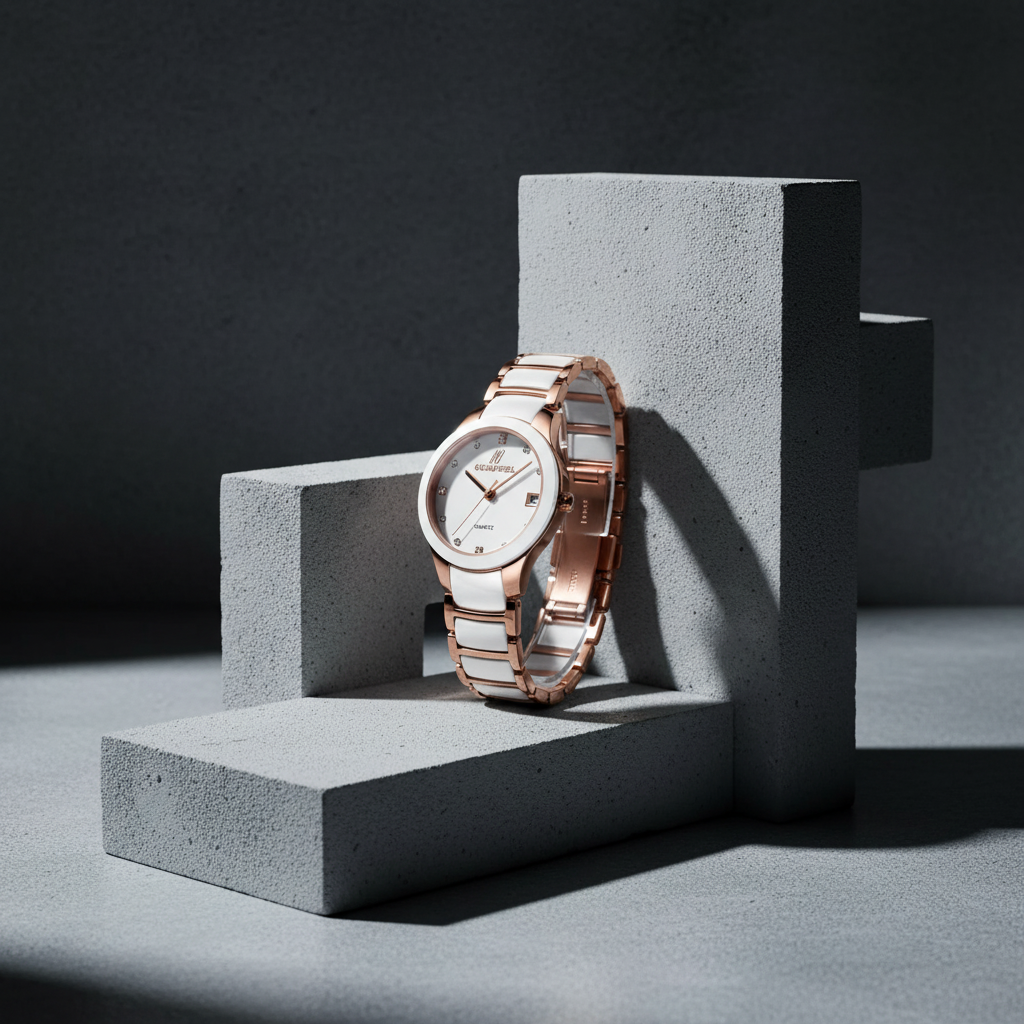
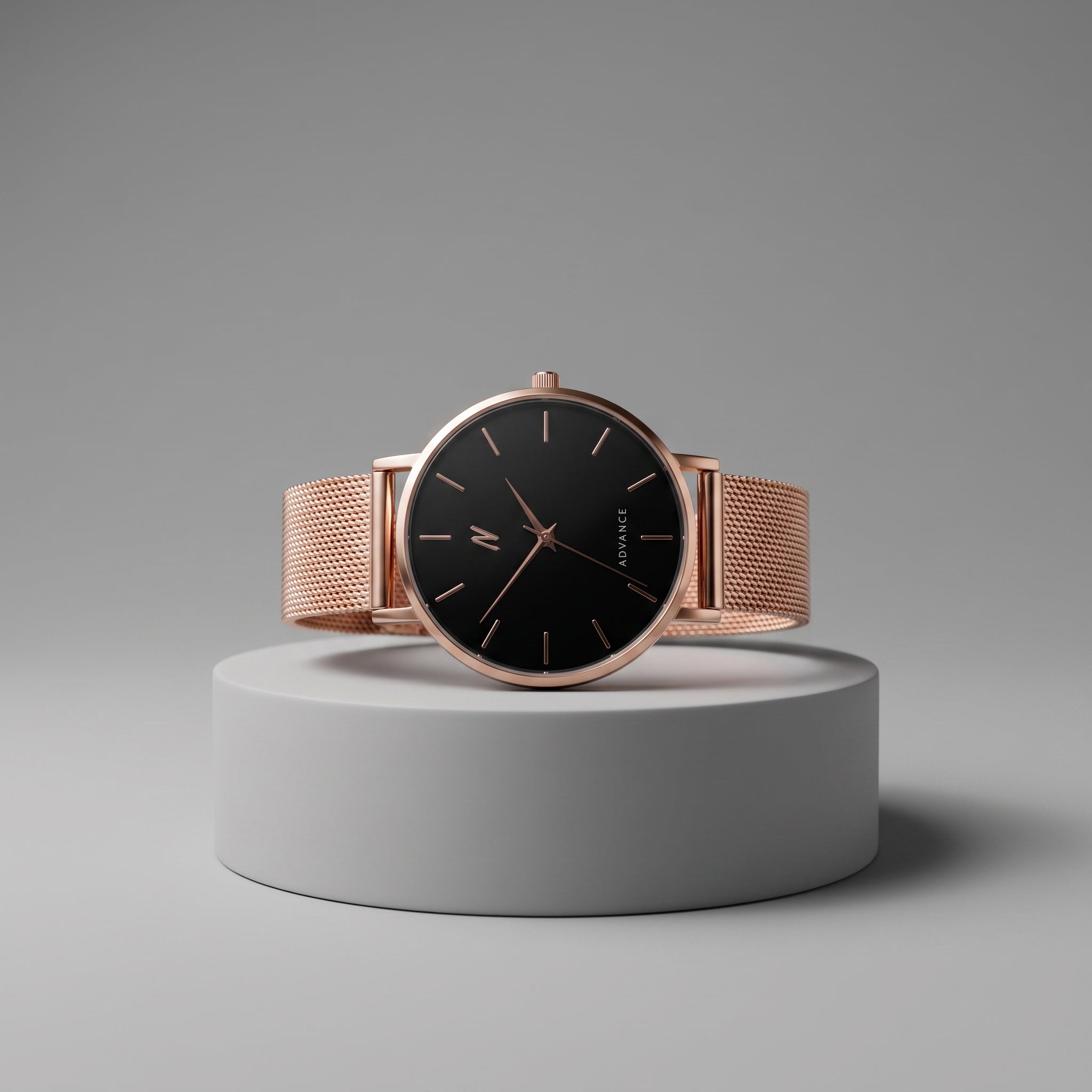
NCMPRBL’s Ascend Automatic approaches that idea with quiet confidence. Its value is not in performing heritage through noise, oversized branding, or artificial scarcity. It is in creating a modern heirloom with enough visual restraint to belong to a tailored workday, a gallery opening, or a long flight without needing to announce itself.
Automatic watch winding is a small, tangible reminder of this philosophy. Your watch keeps time because you moved through your life wearing it. Let it stop when the rotation changes. Wind it thoughtfully when you return. Over time, those ordinary gestures give an intentional timepiece the one quality no logo can manufacture: a history that is genuinely yours.

