




Watch Trends That Will Still Matter in 2026
A watch can signal taste before it signals the hour. The most relevant watch trends of 2026 recognize that distinction: less visual noise, more considered proportion; fewer disposable statements, more objects built to earn a place in a daily uniform.
For the design-minded professional, a timepiece is no longer simply an accessory reserved for formal occasions. It moves between studio, office, airport, dinner, and weekend without needing to announce itself. The strongest choices are defined by restraint, material intelligence, and a willingness to look better after years of wear than they did on the first day.
Watch Trends Are Turning Toward Permanence
Fashion cycles will always create a demand for novelty. Watches operate on a different clock. Their value is tied to how naturally they become part of a life: the familiar weight on the wrist, the polished edge that catches light, the small ritual of setting a mechanical movement after time away.
This has shifted attention away from oversized branding and overly complicated dials. Clean cases, coherent typography, and balanced dimensions now carry more cultural weight than conspicuous ornament. It is quiet luxury in its most practical form - an object with presence, but no need for explanation.
That does not mean every watch should be minimal. A collector may prefer a multi-register chronograph or a textured sector dial; another may want the clarity of three hands and no date window. The common thread is intention. Every element should feel necessary to the design rather than added for effect.
Proportion Is the New Status Signal
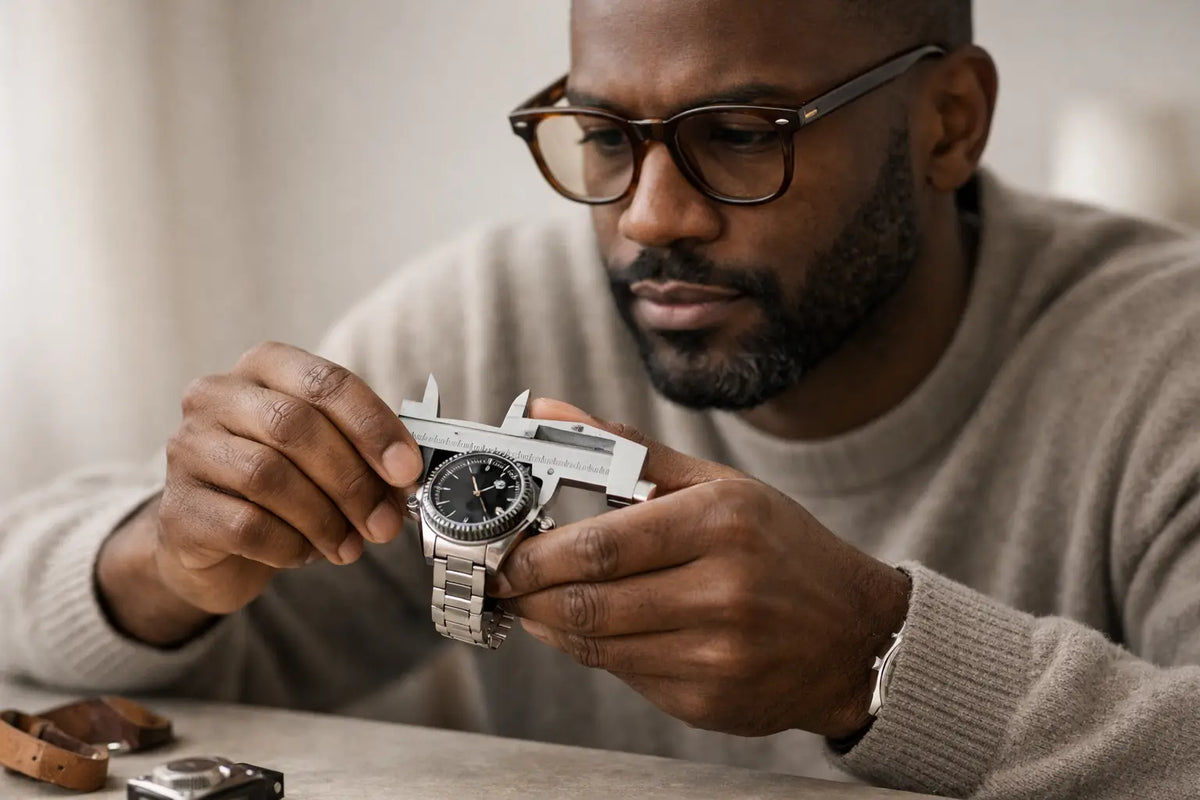
Case size remains one of the clearest indicators of a watch's character. The shift is not toward one universal measurement, but toward fit. A watch should sit within the architecture of the wrist, slip comfortably under a cuff, and hold its visual balance from a conversational distance.
For many people, this means revisiting moderate cases rather than treating scale as a measure of confidence. A thoughtfully sized steel watch can feel more assured than a much larger piece competing for attention. Thin profiles and tapered bracelets add refinement, while a well-made leather strap introduces softness without losing structure.
The best proportion is also contextual. A compact, formal watch may suit client meetings and evening wear, while a slightly more substantial automatic model can carry the demands of travel and daily movement. Build around how you actually live, not the image of a collection you think you should own.
Mechanical Watches Remain a Personal Counterpoint
Automatic movements continue to matter because they offer a different relationship with time. Their appeal is not merely technical. Through a display back or a quiet beat against the wrist, the movement makes the passage of time tangible.
A mechanical watch asks for a small degree of participation. Wear it, wind it when needed, notice its rhythm. That interaction gives an intentional timepiece a character that a purely screen-based object cannot replicate. It also explains why a well-maintained automatic can remain relevant across decades.
The trade-off is straightforward: mechanical movements require care, and their accuracy is measured differently from quartz. For someone who wants a grab-and-go piece for a demanding schedule, quartz still has a legitimate place. For someone drawn to craft, ritual, and longevity, an automatic movement offers a deeper return.
Collections such as Ascend Automatic speak to this renewed interest in mechanical substance. The point is not nostalgia for its own sake. It is choosing an object whose inner construction deserves the same attention as its outward design.
Materials Should Age With Intelligence
The material story is becoming more sophisticated. Buyers increasingly recognize that durability is not just about hardness or shine. It is about selecting materials that hold their integrity and develop character with use.
Stainless steel remains compelling for its resilience and versatility, particularly when its brushing and polishing are used with discipline. Titanium offers another expression of refinement: lighter on the wrist, highly durable, and especially appealing to those who wear a watch from morning through late evening. Its appeal is functional before it is visual, which is often the mark of good design.
Leather straps deserve equal scrutiny. Vegetable-tanned leather acquires a patina shaped by the wearer, gradually becoming more personal rather than simply more worn. It asks for occasional care and should not be treated as an all-weather material, but its warmth can transform a precise metal case into something distinctly individual.
The same standards apply across a considered accessories wardrobe. Japanese titanium and Italian Mazzucchelli acetate have lasting relevance in eyewear because their qualities are felt as much as seen: lightness, depth of color, polish, and resilience. A watch chosen with comparable discernment creates a more cohesive personal language.
Texture Replaces Excess Decoration
One of the more interesting watch trends is the return of surface nuance. Sunray finishing, finely brushed cases, grained dials, and restrained applied markers give a watch dimension without turning it into spectacle. These details reward proximity.
Texture should serve legibility. A dial may have depth, but the hands must remain easy to read. A bracelet may have complex finishing, but it should articulate comfortably. The distinction between decoration and craft lies in performance: the latter makes the object better to wear, use, and keep.
The One-Watch Standard Is More Relevant Than Ever
A growing number of collectors are approaching watches with an edited mindset. Instead of accumulating versions of the same idea, they are seeking a single piece capable of handling most of the week. This is not a rejection of collecting. It is a higher standard for each acquisition.
A versatile watch typically has a clear dial, a case with measured proportions, and enough visual authority to work with tailoring or a knit polo. A bracelet broadens its range, while a vegetable-tanned leather strap can recalibrate the same watch for quieter settings. Versatility is not generic design. It is precise design with room to adapt.
This approach also makes collector storage more meaningful. A case is not simply a place to put watches between wears. It protects the objects, organizes the collection, and makes the choices visible. For someone building deliberately, an Elite Collectors Case can become part of the ritual: a considered home for a small number of pieces with distinct roles.
Limited Releases Should Be Chosen for Design, Not Scarcity
Limited releases have a natural place in modern watch culture, particularly when they introduce a specific material, dial treatment, or proportion that may not return. But scarcity alone is not a reason to commit. A limited watch should still satisfy the questions that matter after the initial excitement has passed.
Would you wear it without the limited designation? Does the design relate to the rest of your wardrobe? Is the movement, construction, and finishing aligned with the role you expect it to play? When the answer is yes, rarity becomes an added layer of meaning rather than the entire premise.
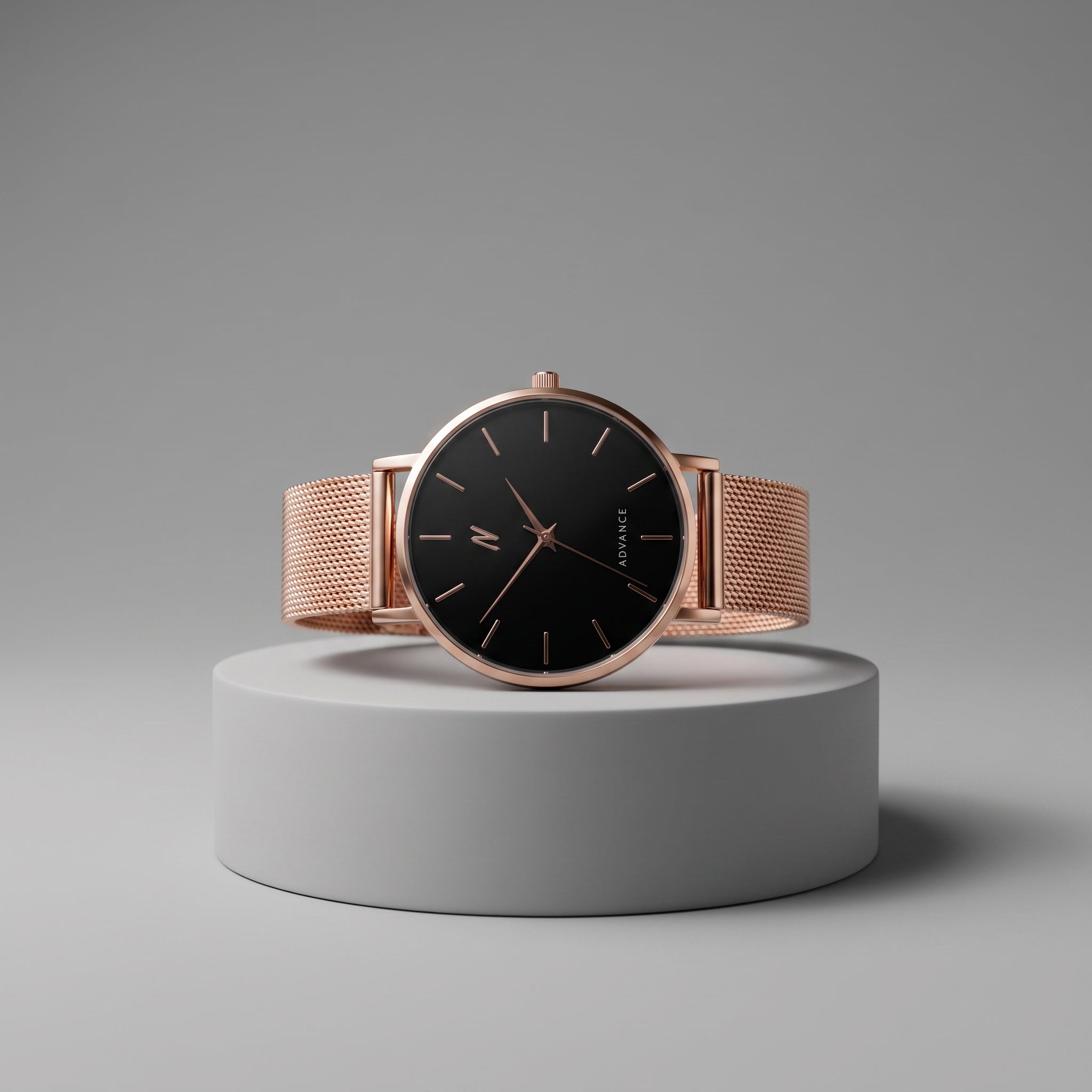
NCMPRBL approaches this sensibility through collections with distinct points of view, allowing a watch to be selected by character rather than by noise. Whether the preference is for the mechanical focus of Ascend Automatic or the composed utility of Advance, the right choice begins with personal use.
How to Read the Trends Without Chasing Them
Use trends as a lens, not an instruction. They can clarify why a certain case shape feels current or why restrained finishing has renewed appeal. They should not override your own habits, wrist size, wardrobe, or appetite for maintenance.
Before choosing, spend time with the details that remain after the first impression: the curve of the lugs, the pressure of the clasp, the discipline of the dial, the quality of the strap, and the way the watch sits beside your eyewear and other daily objects. These are the factors that turn a purchase into a companion.
The most enduring watch is rarely the one that captures the loudest moment. It is the one you reach for years later because it still feels entirely like you.