

Quiet Luxury Trends That Will Outlast the Moment
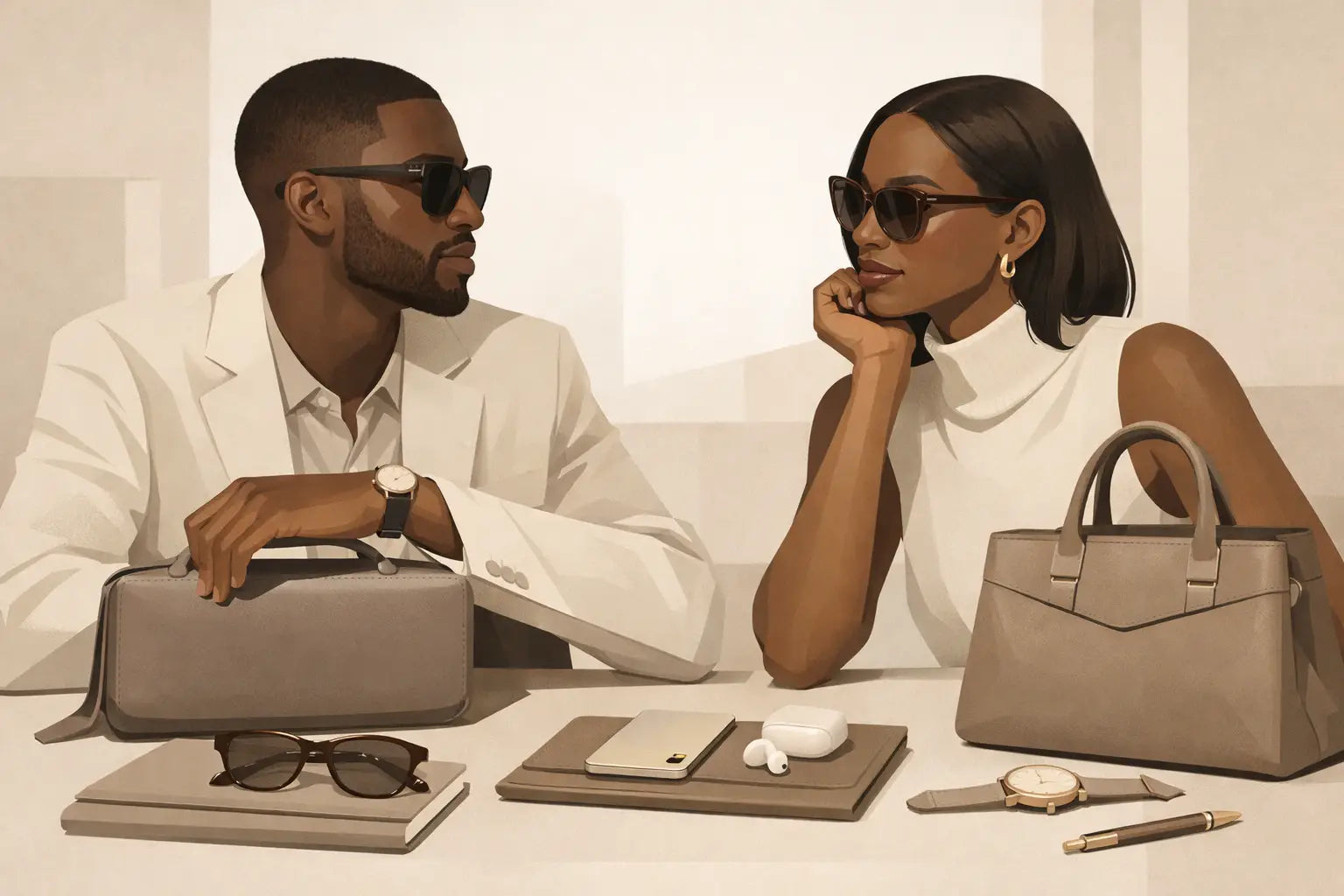
A frame that sits correctly across the bridge. A watch whose movement is felt rather than announced. Quiet luxury trends are most convincing in these close, daily encounters, where materials, proportion, and function have nowhere to hide. The point is not to look less considered. It is to make consideration visible through restraint.
For professionals, founders, and creatives whose wardrobes move between meetings, travel, and dinner without a costume change, this is a useful shift. A discreet accessory can carry more presence than a conspicuous one when its quality holds up under inspection. The right piece becomes part of a personal uniform: familiar, dependable, and increasingly individual with wear.
Why Quiet Luxury Trends Have Staying Power
Quiet luxury is often discussed as an aesthetic of muted colors, clean lines, and minimal branding. Those signals matter, but they are only the surface. Its lasting appeal comes from a more demanding idea: buy fewer things with a clear point of view, then live with them long enough to understand their value.
That value is not limited to a future resale figure. It lives in construction, repairability, comfort, and the confidence that an object will not feel exhausted after one season. A well-made pair of optical frames has to endure the small repetitions of daily life: being placed on a desk, carried through an airport, adjusted throughout a long workday, and worn in photographs that may be seen years later. A mechanical watch asks for similar patience. It rewards attention to its movement, case finishing, and the rhythm it brings to getting dressed.
The quiet luxury approach also leaves room for personality. Minimalism does not require sameness. A strong acetate profile, a distinctive titanium finish, or a carefully proportioned dial can be recognizable without becoming loud. The distinction is in the decision, not the logo.
The Materials Behind a More Considered Wardrobe
Material intelligence is the foundation of quiet luxury. It changes how an accessory wears, how it ages, and whether it remains compelling after the novelty has passed.
Japanese titanium is valued for its lightness, strength, and refined finish. In eyewear, those qualities are especially practical. Titanium can make a frame feel nearly weightless while retaining the structural integrity needed for regular use. Its subtle luster also suits a quieter wardrobe. Rather than demanding attention from across the room, it reveals its character at closer range.
Italian Mazzucchelli acetate offers a different kind of presence. The material has depth, color variation, and a tactile warmth that molded plastic cannot replicate. A well-designed acetate frame can be bold in silhouette while remaining composed in effect, particularly in classic black, rich tortoise, smoke, or translucent neutral tones. Over time, the material can take on a more personal character through careful wear and proper maintenance.
For intentional timepieces, the movement deserves equal attention. An automatic movement is not merely a mechanical detail concealed beneath a dial. It represents an older standard of engineering in which energy is generated through motion and translated through a precise system of components. It requires more consideration than a disposable object, and that is precisely the appeal. The wearer participates in its care.
Vegetable-tanned leather belongs in the same conversation. Chosen for straps and collector accessories, it develops a patina through handling, light, and time. That evolution is not a flaw to be disguised. It is evidence of use, and one of the reasons a considered accessory can become more persuasive over the years.
Quiet Luxury Trends in Eyewear
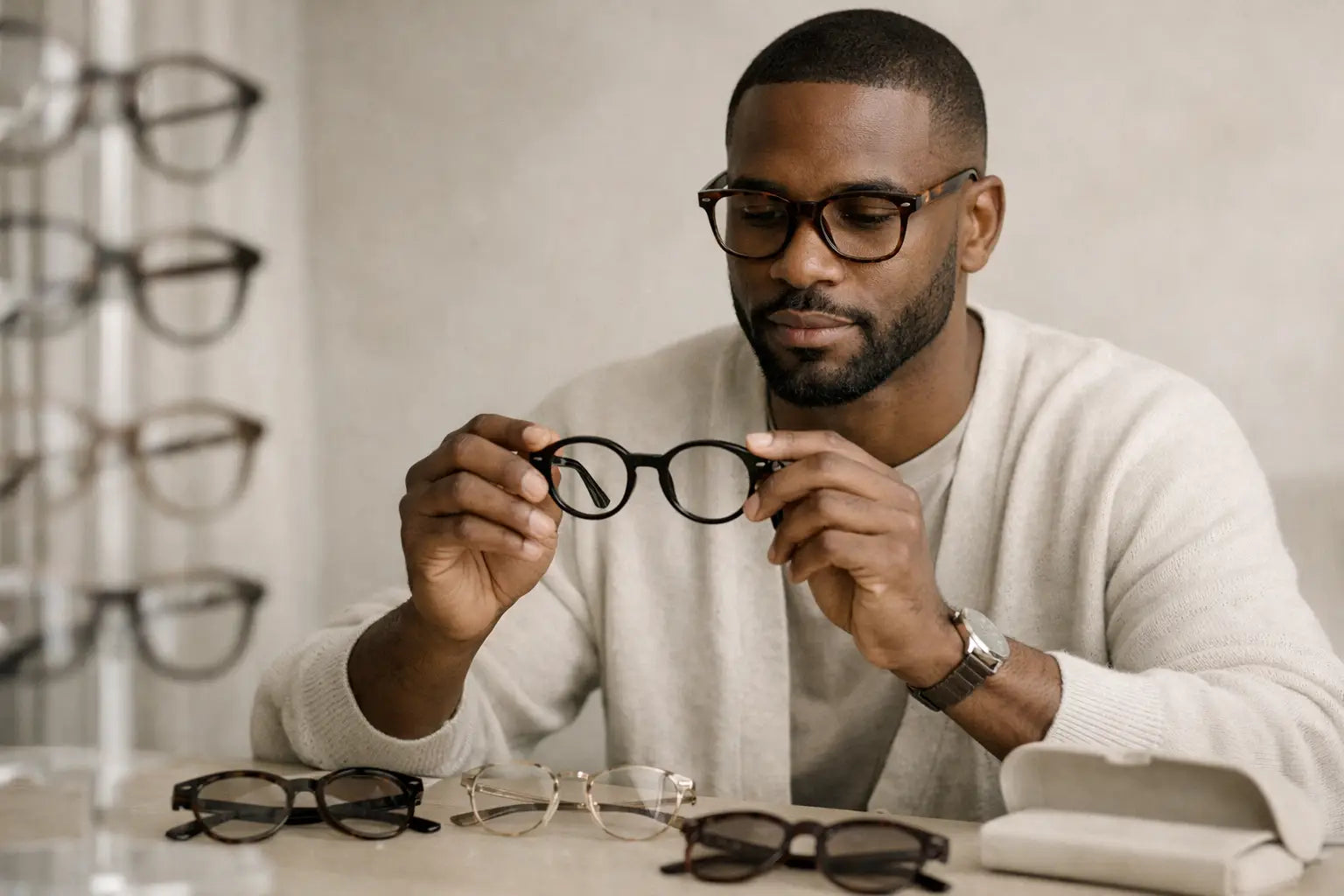
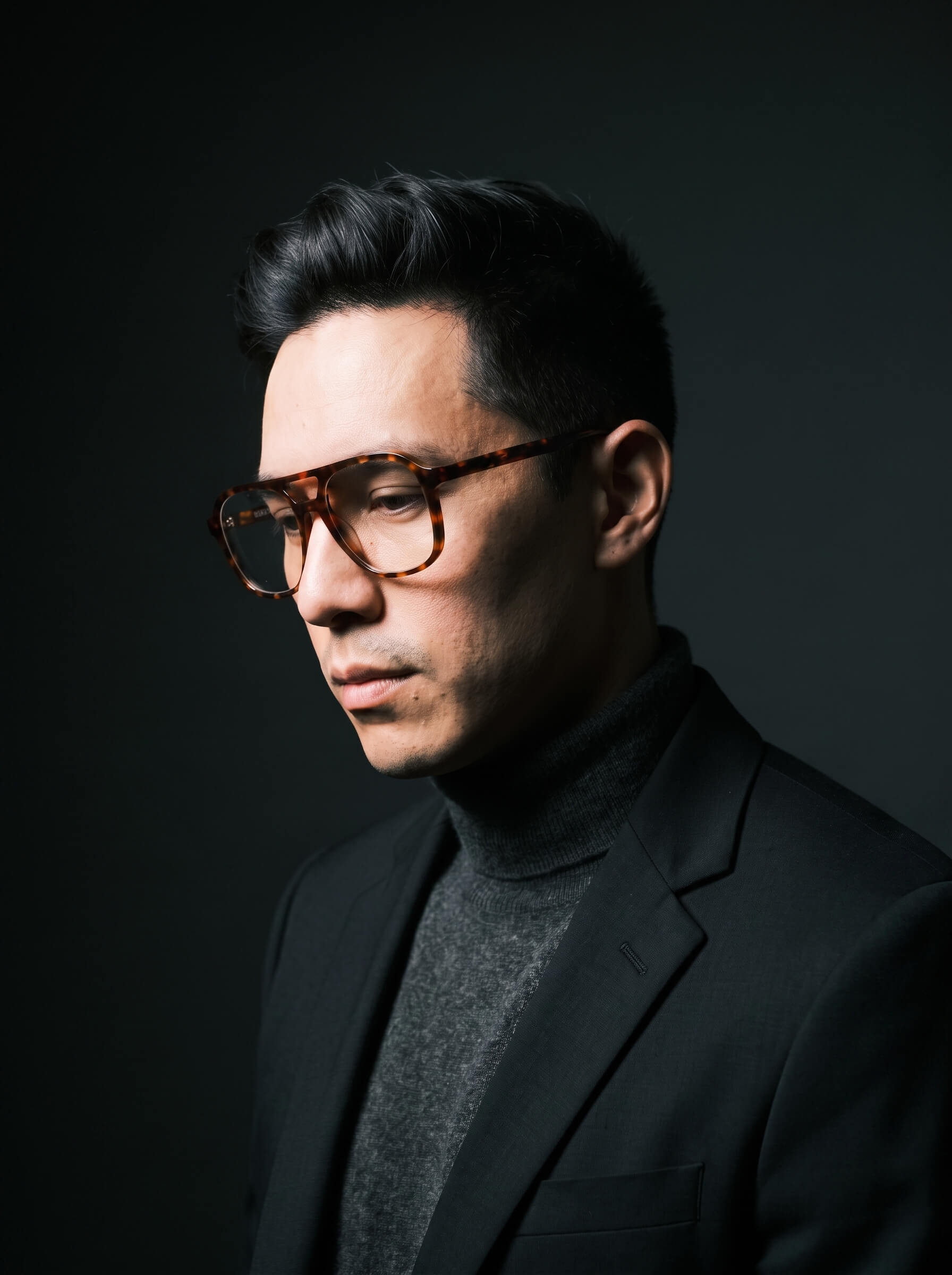
Eyewear may be the most immediate expression of quiet luxury because it occupies the face. It must complement rather than overwhelm, and its utility cannot be separated from its design. The best frame is not simply flattering in a mirror for five minutes. It remains comfortable, balanced, and clear-eyed through a full day.
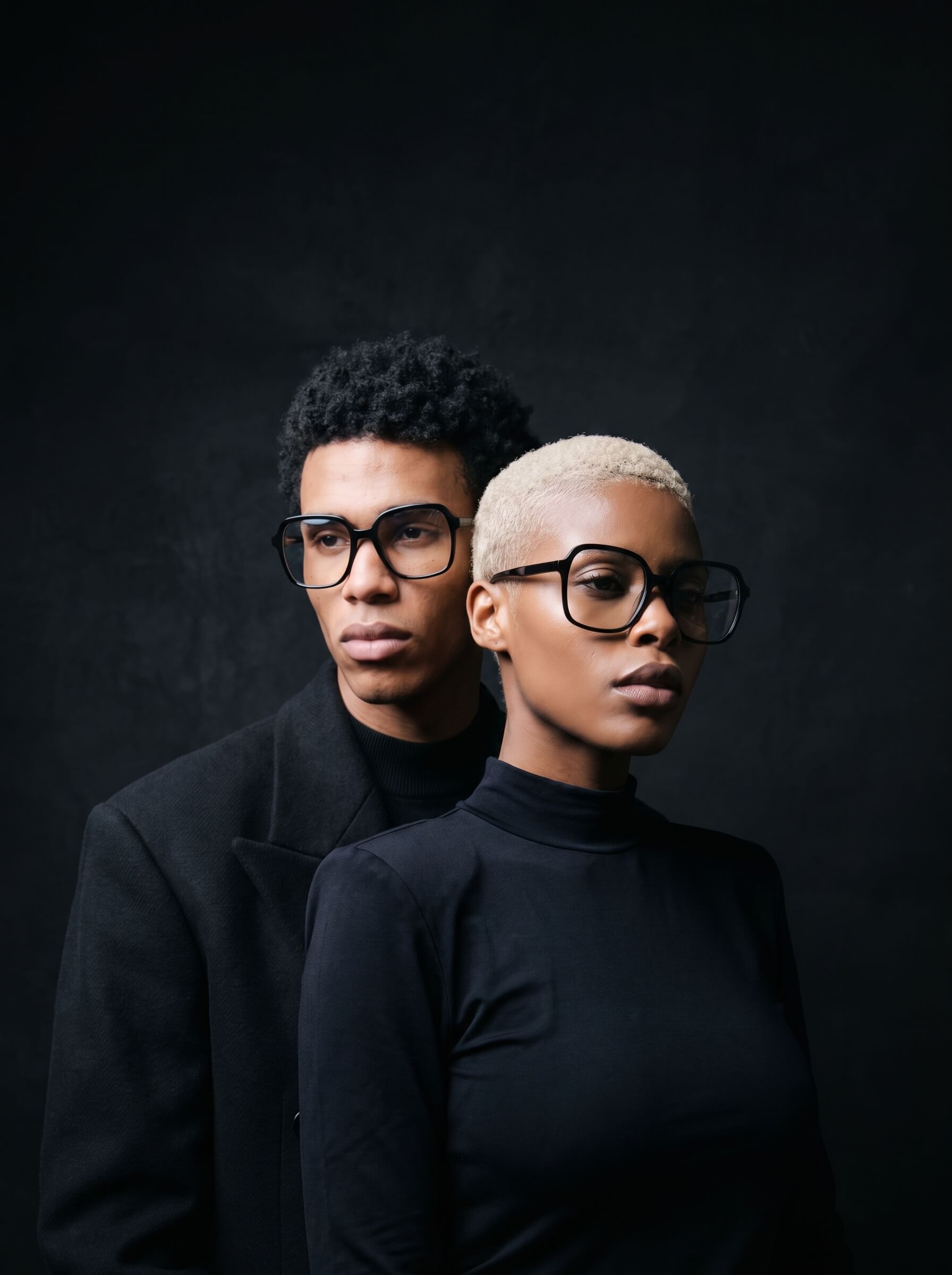
Start with proportion. A frame should relate to the width of the face, the height of the brow, and the scale of the features. Oversized shapes can be compelling, but only when the bridge, temple length, and lens depth are working in concert. A smaller, more architectural frame can feel equally distinctive when its lines are precise. There is no universal ideal. The question is whether the frame looks intentional from every angle.
Then consider optical function. Prescription-ready frames allow personal style and visual needs to occupy the same object, rather than forcing a compromise between the two. For those using FSA or HSA funds for eligible eyewear purchases, this practical compatibility makes a well-chosen pair easier to integrate into a long-term wardrobe plan.
Collections such as Axis and Clarity reflect two useful directions within this category. One may suit a wearer drawn to sharper geometry and a more assertive profile; the other may appeal to someone who prefers visual lightness and everyday versatility. Neither approach is inherently more refined. The stronger choice is the one that feels aligned with how you actually move through the week.
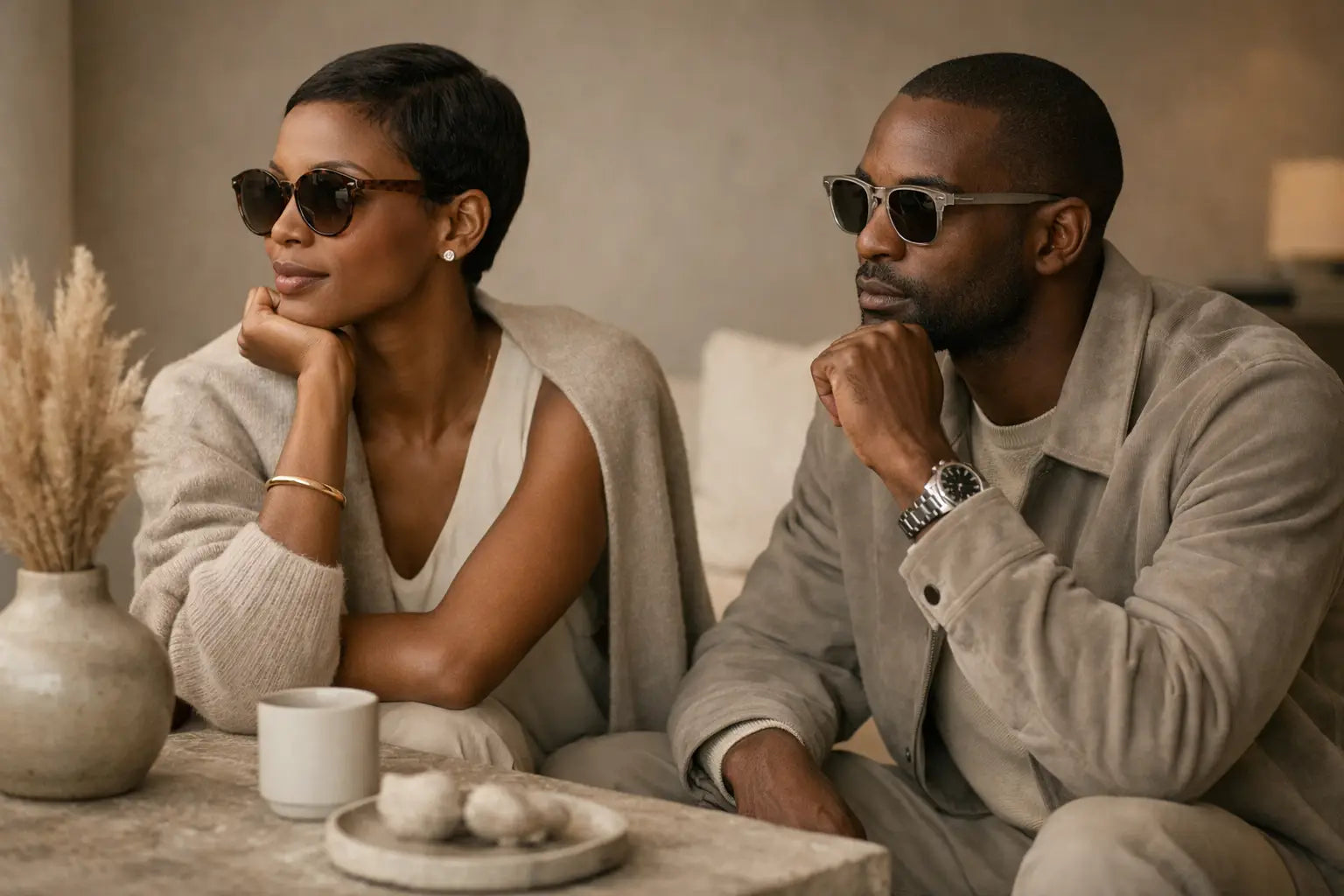
A quiet-luxury eyewear wardrobe rarely needs excessive variety. One dark acetate frame, one lighter or metal optical frame, and one pair of considered sunwear can cover a great deal of ground. The benefit of editing is that each piece has a role, and each gets enough wear to become part of your visual identity.
Intentional Timepieces and the Return of Daily Ritual
The modern interest in watches is not simply nostalgia for analog objects. It is a response to the fact that much of life is now mediated by screens. A watch offers information without inviting another stream of notifications. More importantly, it introduces a small ritual into the day.
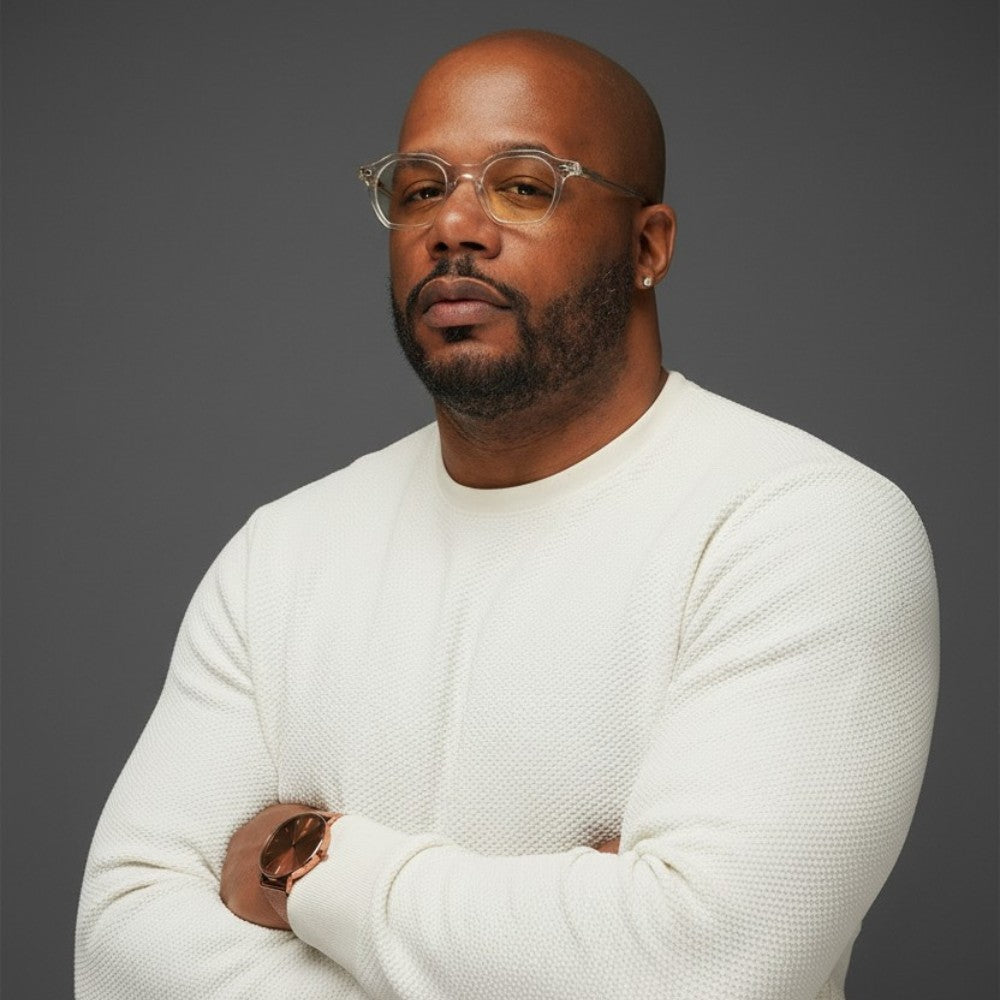
An automatic watch is well suited to quiet luxury because its appeal is largely private. The pleasure may be the sweep of a seconds hand, the movement visible through an exhibition caseback, or the reassuring weight of the case on the wrist. None of these qualities requires an audience.
Size and proportion matter here as much as they do in eyewear. A smaller case can feel elegant and deliberate, while a larger case can offer presence and legibility. The right answer depends on wrist size, sleeve shape, and personal preference. A watch should sit comfortably beneath a cuff, but it need not disappear. Quiet luxury is not about erasing character. It is about choosing character with discipline.
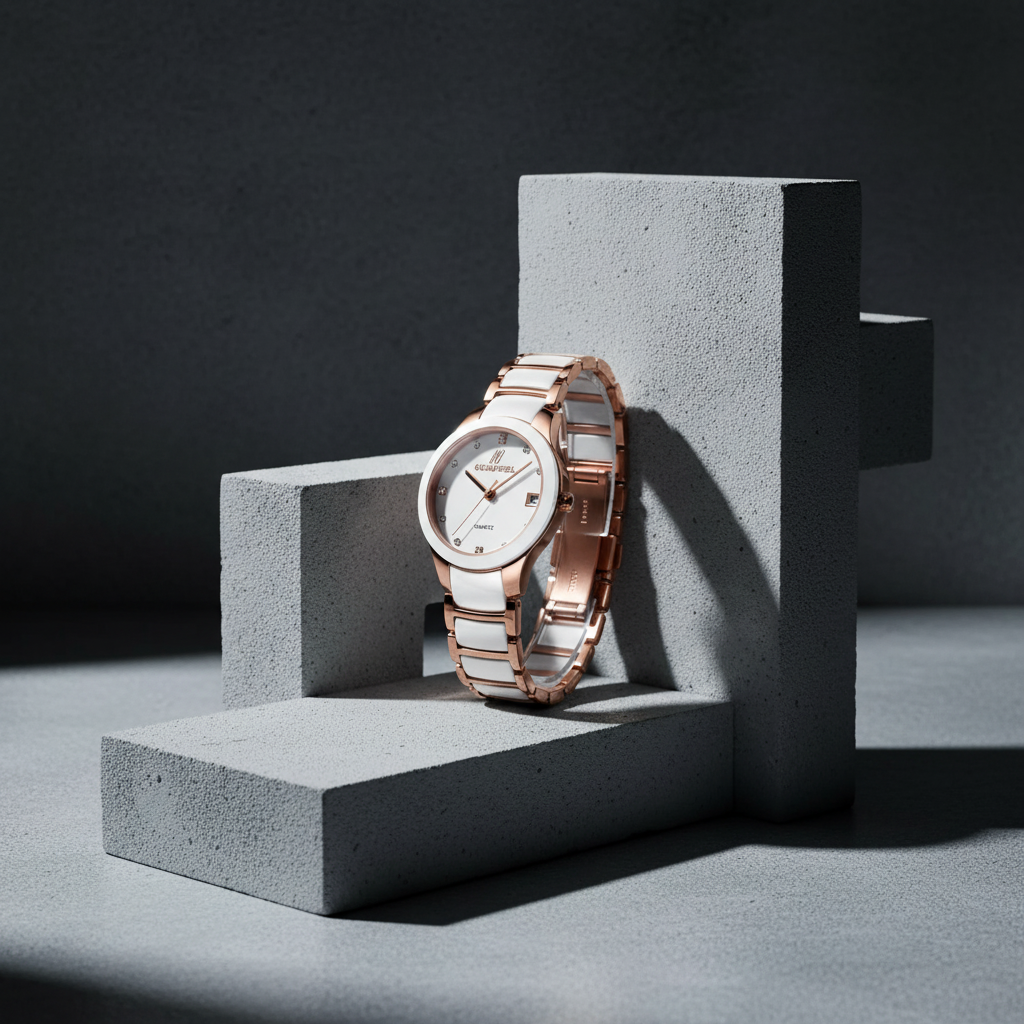
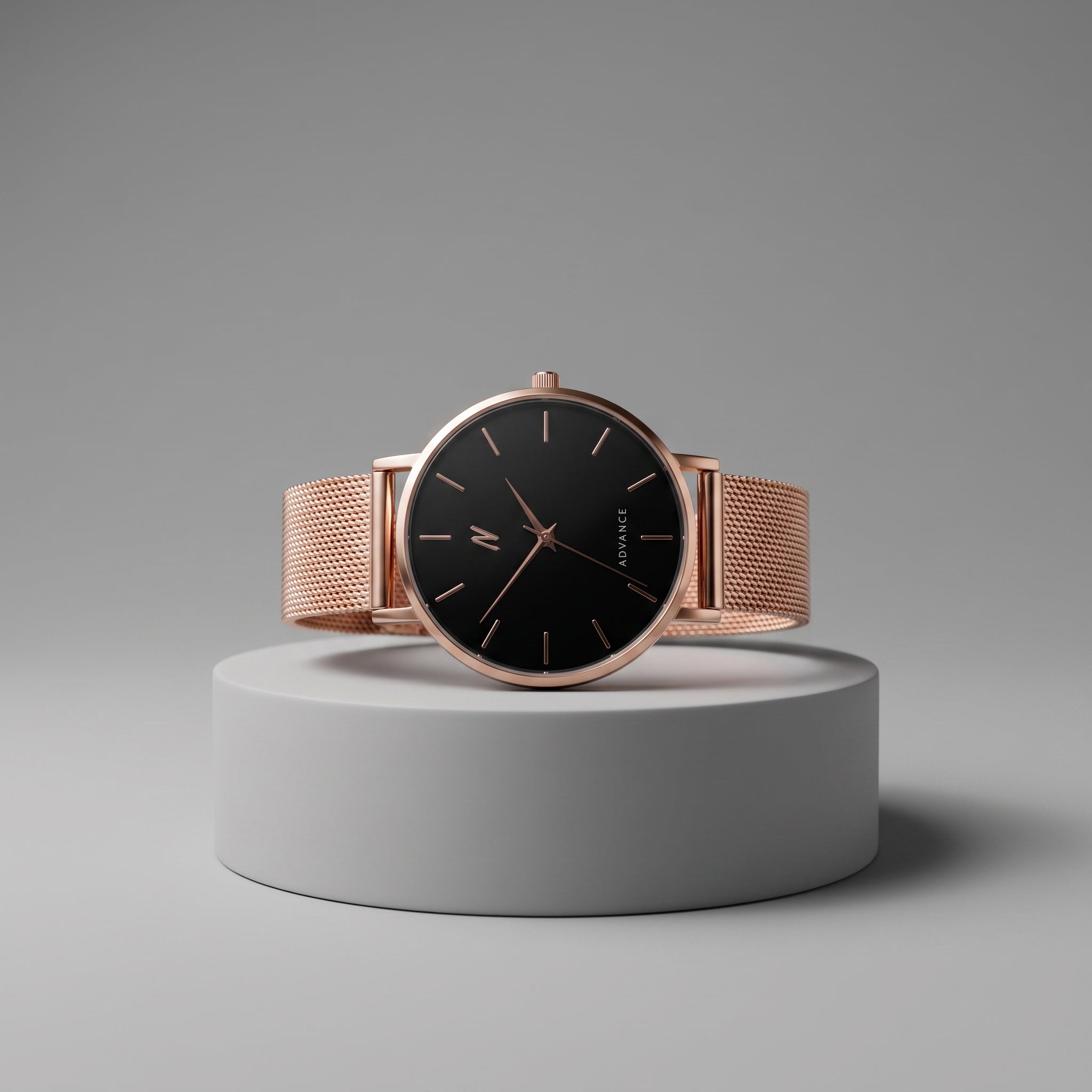
NCMPRBL's Ascend Automatic collection speaks to this balance: mechanical interest, restrained design, and a sense of permanence suited to daily wear. A watch of this kind can mark a promotion, a personal milestone, or the decision to treat ordinary time with greater respect. Its significance grows through association, not spectacle.
For collectors, thoughtful storage is part of ownership. A proper case protects watches from unnecessary damage while making a small collection easier to appreciate as a whole. It also encourages discernment. When every watch has a place, each addition should justify it.
How to Wear the Look Without Making It a Uniform
The common mistake is to interpret quiet luxury as a strict formula: neutral palette, no logos, identical shapes, no risk. That approach can become its own kind of performance. A more useful standard is coherence.
Choose one accessory with texture or shape, then let the rest support it. A substantial Mazzucchelli acetate frame can work with a fine-gauge knit and tailored wool. A titanium optical frame may suit a crisp shirt, soft tailoring, and a vegetable-tanned leather strap. An automatic watch can anchor even a simple T-shirt and overshirt because it adds structure without adding noise.
Pay attention to maintenance. Clean lenses with proper materials, keep frames in their case when not in use, and have fit adjusted when needed. Wipe down a watch after wear, avoid unnecessary shocks, and understand its water-resistance limits. These habits are modest, but they preserve the qualities that made the piece worth choosing.
The most reliable response to passing fashion is not to reject trends entirely. It is to ask whether a design has enough material integrity and personal relevance to remain when the conversation moves on. Choose the frame that makes your face feel more like your own. Choose the timepiece that you will want to wind, wear, and eventually remember. That is where quiet luxury becomes less of a look and more of a standard.