




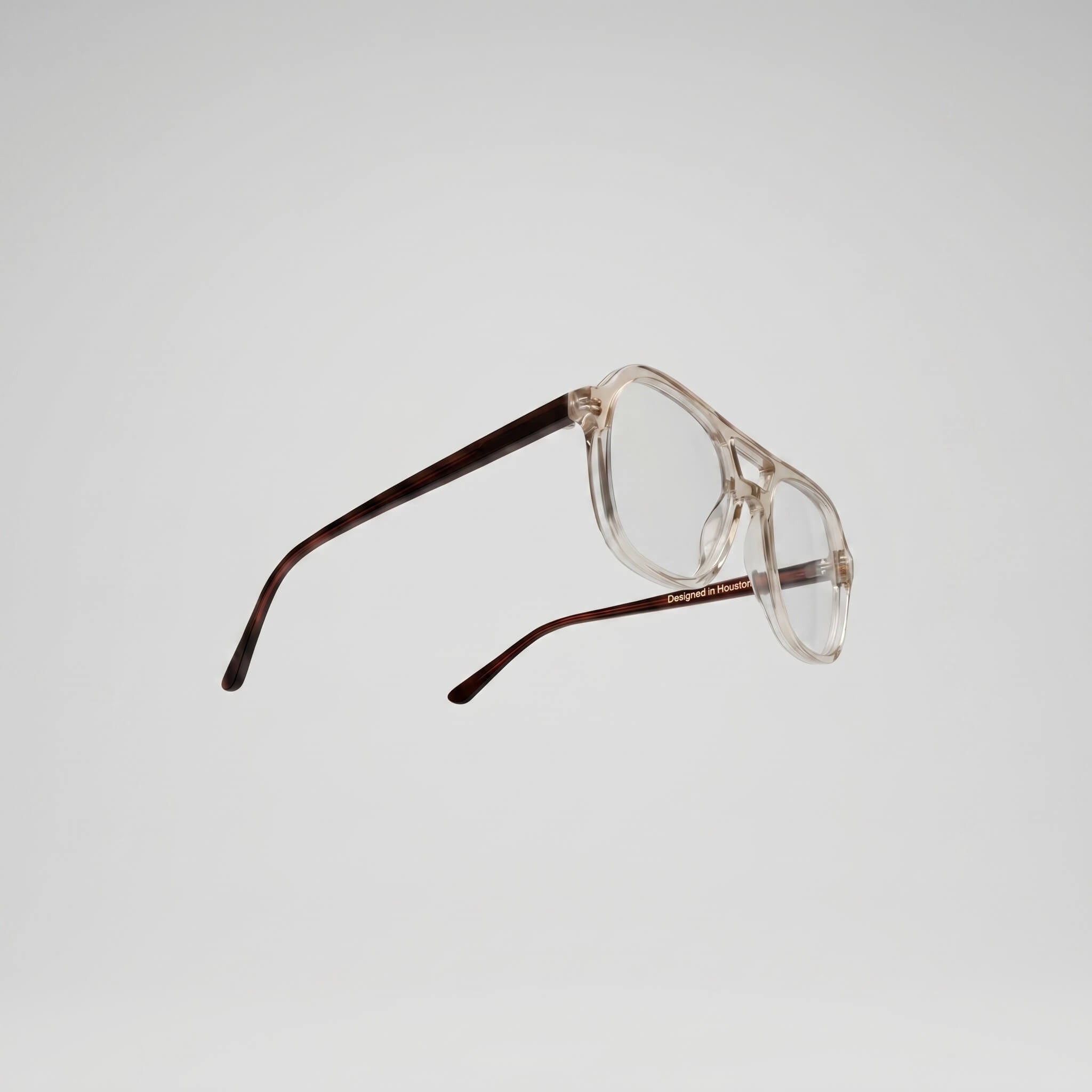
How FSA Eligible Glasses Fit Your Daily Life
FSA eligible glasses are more than a practical purchase—they’re an investment in your vision and daily comfort. Like a well-chosen watch or tailored coat, the right eyewear becomes a familiar, essential part of your routine, from your first meeting to your last page at night.
What Are FSA Eligible Glasses?
A Flexible Spending Account (FSA) lets you use pre-tax dollars for qualified healthcare expenses. Prescription glasses are FSA eligible because they correct a diagnosed vision need. This includes:
- Prescription lenses (single-vision, progressive, reading, or other corrective types)
- Frames designed to hold prescription lenses
- Any style or format recommended by your eye-care professional
The essential requirement is medical necessity. Once your frames are fitted with prescription lenses, they meet FSA guidelines.
You can use FSA funds at checkout if the retailer accepts FSA cards. Otherwise, pay with another method and submit your receipt and prescription for reimbursement through your plan administrator.
Note: FSA plans are employer-sponsored and details vary. Always review your plan’s documentation, balance, and year-end rules. Save your order confirmation, prescription, and itemized receipt for any claims.
How FSA Eligible Glasses Enhance Daily Life
For many, FSA balances feel abstract until year-end. Eyewear turns those funds into something tangible and lasting. The right glasses:
- Support your vision and eye health
- Reflect your personal style
- Encourage thoughtful, high-quality purchases over frequent replacements
Choosing FSA eligible glasses is a chance to invest in comfort and clarity for every part of your day.
Materials Matter: Choosing Lasting Eyewear
Eligibility answers the administrative question. Craftsmanship answers the lasting one: what do you want to wear every day?
- Japanese titanium frames are strong, light, and flexible—ideal for all-day wear, travel, and busy routines.
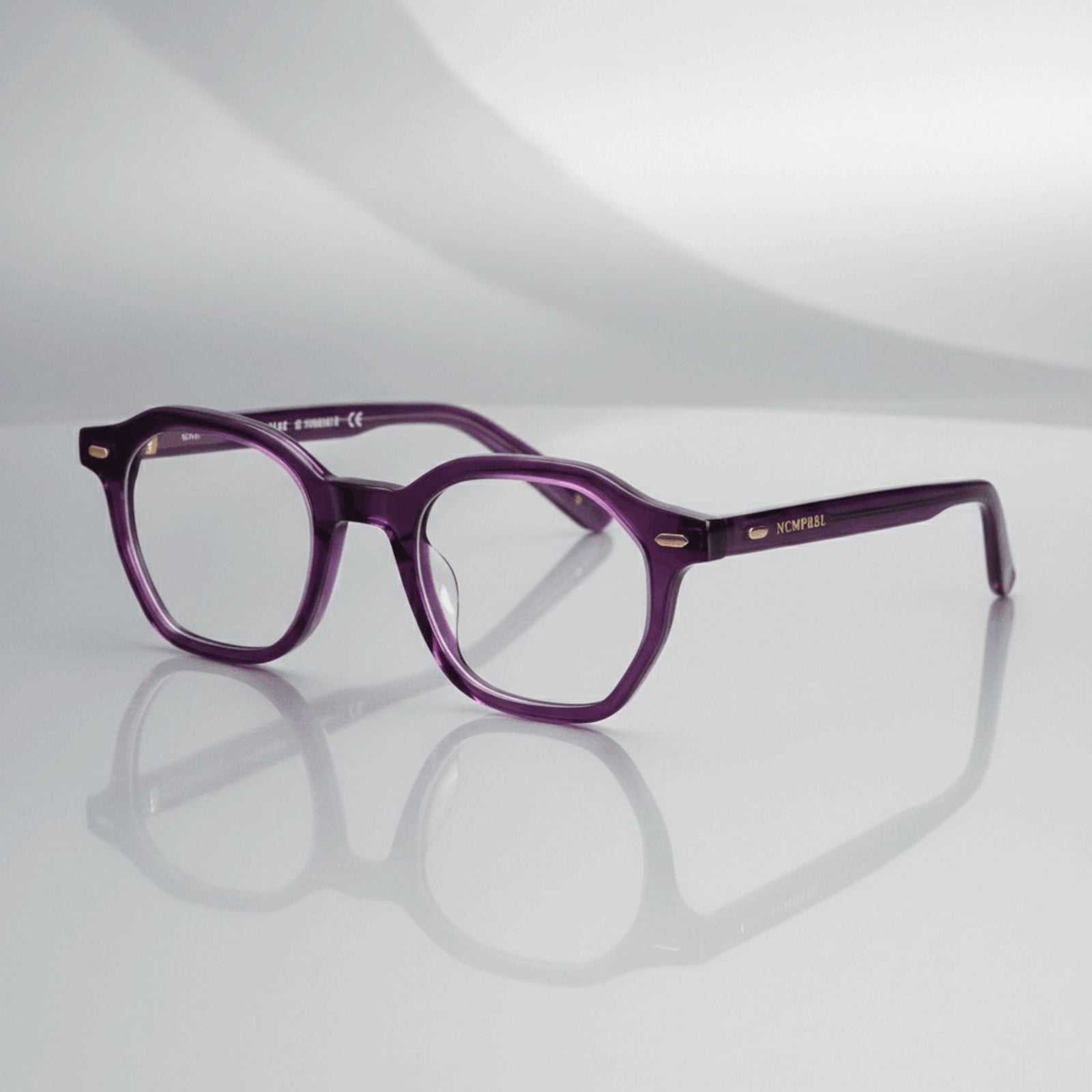
- Italian Mazzucchelli acetate offers rich color, polish, and tactile warmth. Substantial acetate frames provide visual weight and resist fast fashion trends.
Choose titanium for precision and minimalism, or acetate for dimension and character. Consider your face shape, prescription, work habits, and personal style.
Lenses: The Core of Your Glasses
Lenses affect both function and comfort. For higher prescriptions, special lens materials can reduce thickness and weight. Progressive lenses require careful fitting for comfort at all distances.
Select frames that accommodate your prescription and preserve the design. Prescription-ready eyewear is built for daily use and longevity.
How to Use Your FSA for Glasses in 2026
Instead of rushing to spend your FSA balance at year-end, take an intentional approach. Treat your glasses as a long-term tool and start with your real needs.
- Does your current pair still fit your routine?
- Has your prescription changed?
- Does your frame still match your style?
Before buying, ask yourself:
- Does the frame fit your prescription and lens needs?
- Is it comfortable for all-day wear?
- Does the material suit your lifestyle (travel, desk work, etc.)?
- Will the style still feel right next season?
Trends change, but quiet luxury in eyewear focuses on proportion, material quality, and restraint—not flashy logos or seasonal details.
Why Fit Is Essential for Eyewear
Even the most beautiful frame is wrong if it doesn’t fit. Key fit factors include:
- Bridge placement
- Temple length
- Lens width
- Visual balance with your face shape and prescription
Test how the frame sits when you look down, turn your head, or speak. Consider nose pads, temple comfort (especially if you wear headphones), and lens height for screen work. Utility and refinement should go together.
In collections like Axis or Clarity, your choice may be about visual language or technical construction. Whether you prefer a bold or subtle frame, lasting choices are grounded in your real habits—not passing trends.
Best Practices for FSA Glasses Purchases
After choosing your glasses, keep all purchase records:
- Itemized receipt
- Order confirmation
- Prescription documentation
If you use your FSA card, your plan administrator may still request proof. If you pay another way and submit for reimbursement, clear documentation makes the process smoother.
Check your plan’s deadline—some offer a grace period or carryover, but rules vary. Always refer to your employer’s plan materials for details.
To extend the life of your glasses:
- Store them in a protective case
- Rinse lenses before wiping
- Have the fit adjusted as needed
Well-made eyewear, like a quality watch, benefits from care and attention rather than frequent replacement.
Choosing FSA eligible glasses is a practical decision with a personal result: a frame that clarifies your vision and feels truly your own every time you put it on.
Frequently Asked Questions
What types of glasses are FSA eligible in 2026?
In 2026, prescription eyeglasses—including single-vision, progressive, and reading lenses—are FSA eligible if they address a diagnosed vision need. Both the lenses and the frames that hold them qualify when purchased with a valid prescription.
Can I use my FSA card directly when buying glasses online?
Yes, many online retailers accept FSA cards at checkout. If the retailer does not, you can pay with another method and submit your receipt and prescription to your FSA plan administrator for reimbursement. Check the retailer’s payment options before purchasing.
What documentation do I need for FSA reimbursement?
You should keep your itemized receipt, order confirmation, and a copy of your prescription. Your FSA plan administrator may request these documents to verify the purchase and process your claim.
Are non-prescription glasses or sunglasses FSA eligible?
Non-prescription glasses and sunglasses are generally not FSA eligible. However, prescription sunglasses and prescription blue light glasses may qualify if they are medically necessary and you have a valid prescription.
What happens if I don’t use my FSA funds by the deadline?
Most FSA plans have a “use it or lose it” policy, meaning unused funds may be forfeited after the plan year ends. Some plans offer a grace period or allow limited carryover. Always check your employer’s FSA policy for specific rules in 2026.
How do I choose the right frame material for daily wear?
Consider your lifestyle and preferences. Titanium frames are lightweight and durable, ideal for frequent wear and travel. Acetate frames offer color and substance, suiting those who want a bolder look. Comfort, prescription needs, and style should all influence your choice.